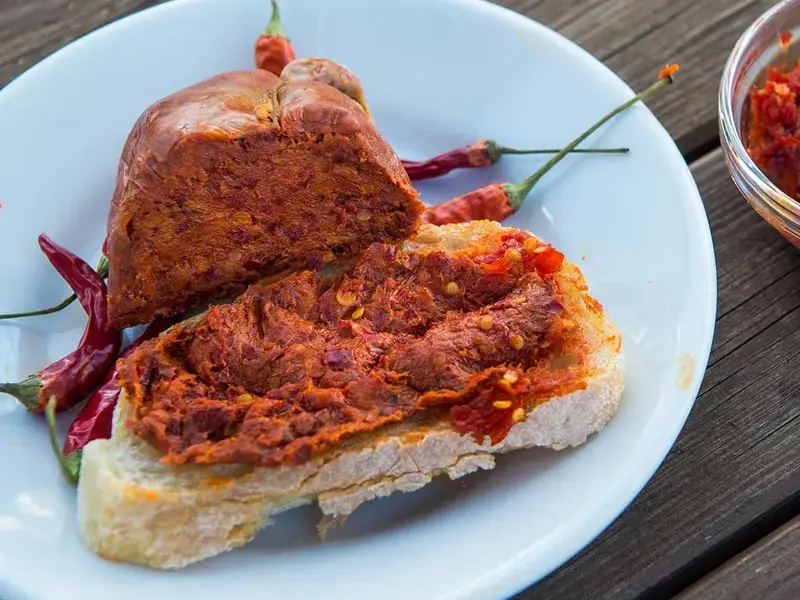
A soft, spreadable Calabrian sausage, 'nduja has become widely popular far beyond Italy and is known for its vivid red colour. With a distinctive combination of heat, rich pork flavour and a smooth texture, it can be used for everything from 'nduja pasta to toast to sauces and stews.
Where 'nduja comes from
The spicy sausage, 'nduja, originates from Calabria in southern Italy, in particular the area surrounding Spilinga in the province of Vibo Valentia. Spilinga is so closely associated with the sausage that it hosts an annual festival dedicated to it.
The sausage emerged from Calabria’s tradition of preserving pork, where it was traditionally made from fatty cuts and trimmings that could be combined with chilli and cured. Calabrian chilli is central to the identity of 'nduja, reflecting the region’s long-standing use of spicy foods.
How it's made
A traditional 'nduja recipe combines minced pork, pork fat and dried Calabrian chilli. The high proportion of fat gives the sausage its soft, creamy consistency. The mixture is then packed into a natural casing, smoked and left to mature.
During curing and maturation the sausage develops its signature savoury, spicy flavour that is loved by chefs all over the world. Unlike firmer cured sausages, such as salami, 'nduja remains soft.
Production methods can vary slightly between producers, with different cuts of pork used, varied quantities of chilli and wide-ranging maturation times which all affect the final flavour and texture.
What gives it its heat and deep red colour
Calabrian chilli gives 'nduja its distinctive heat and intense red colour. The chilli is dried before being minced and incorporated into the pork mixture, concentrating its flavour. As mentioned above, the amount of chilli varies depending on the producer, so 'nduja ranges from moderately hot to intensely fiery in spice.
The high pork fat content helps distribute the chilli throughout the sausage while giving 'nduja its rich, creamy texture. The vivid colour comes primarily from the quantity and type of chilli used, rather than from the curing process itself.
How to use 'nduja in cooking
'Nduja is highly versatile and can be used in a variety of dishes. Spread it directly onto warm toast, where its soft texture becomes even more fluid from the heat.
It’s perfect in pasta sauces, creating a rich, spicy base. Try it in a spicy 'nduja sauce using this recipe for gnocchi two ways in our Secrets of Italian Food series.
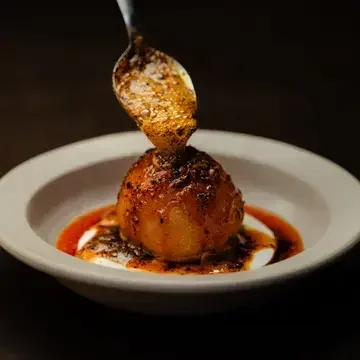
It’s also a delicious topping for pizza, where small pieces of the 'nduja melt during cooking and release chilli-infused pork fat across the surface for a slice that’s packed with flavour. It can also be stirred easily into risottos, soups, stews and bean dishes to concentrate savoury notes and heat.
Seafood and 'nduja are also an ideal pairing, where the spicy fatty character of the sausage contrasts beautifully with the delicate sweetness of seafood, in particular prawns and mussels.
How to buy and store it
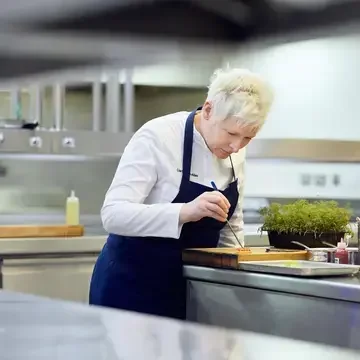
This spicy sausage can be easily found in most major supermarkets and local Italian delis. Chef Francesco Mazzei is credited with introducing 'nduja to the UK from his native region of Calabria. He put it directly onto restaurant menus in 2006 when he worked at Santini, London, and its popularity grew from there.
It’s sold both in whole sausage form and in jars, with jarred versions suited to cooking as they can be spooned directly into a pan. Look for a soft, spreadable consistency and pronounced red colour for the perfect 'nduja.
Traditional whole 'nduja should be stored according to the producer’s individual instructions. Once opened, both jarred and whole 'nduja should be refrigerated and kept well covered.
Because products differ in their curing, packaging and preservation methods, storage instructions and shelf life can vary considerably, so it’s best to follow the guidance on the packet of your specific 'nduja product.