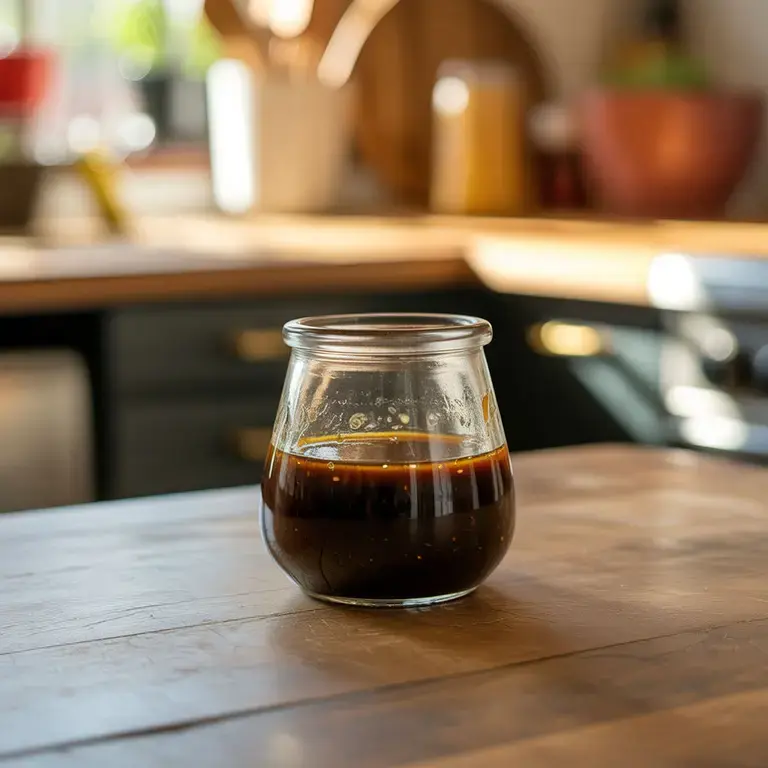

For the best balsamic vinaigrette recipe, you need to fully whisk or shake the ingredients together to combine and let the flavours deepen. The Dijon mustard adds a little heat to the vinaigrette, but also acts as an emulsifier, helping to bind the different elements and is worth including in your mix for this reason.
This delicious dressing is at its tastiest when drizzled over a refined salad. Take a look at our round-up of gourmet salads from six of the world's best chefs for inspiration.
Best oil and vinegar ratios
In classic recipes for a balsamic vinaigrette, the ideal ratio is three parts oil to one part acid. In the recipe above, we’ve slightly adjusted this to increase the amount of balsamic vinegar for a tangier dimension in the vinaigrette. Increasing the quantity of oil will create a richer dressing for your dishes – you can experiment with the balance as preferred.
For more advice and guidance on how to manage the ratios, have a read of our detailed article featuring all you need to know to strike the right balance.
Creative variations
There are lots of ways to vary the basic balsamic vinaigrette recipe above. For a fruitier take, add a dash of fresh orange juice to introduce a brighter sweetness to the dressing. Or, for a spicy kick, ingredients such as cayenne pepper or red chilli pepper flakes can be easily mixed in. Some chefs will even add a teaspoon of tahini to bring a nutty dimension to the vinaigrette.
How to store homemade vinaigrette
Homemade balsamic vinaigrette should be stored in a clean glass jar in the fridge. It will last for up to a week when stored correctly and will need shaking before each use to ensure the ingredients haven’t separated when pouring over your dish.
If you’re asking yourself if balsamic vinaigrette goes bad, the short answer is yes. Before using, check for any sour smell or visible mould in the jar. If the separation won’t mix after shaking, or looks cloudy, it may have also spoiled.