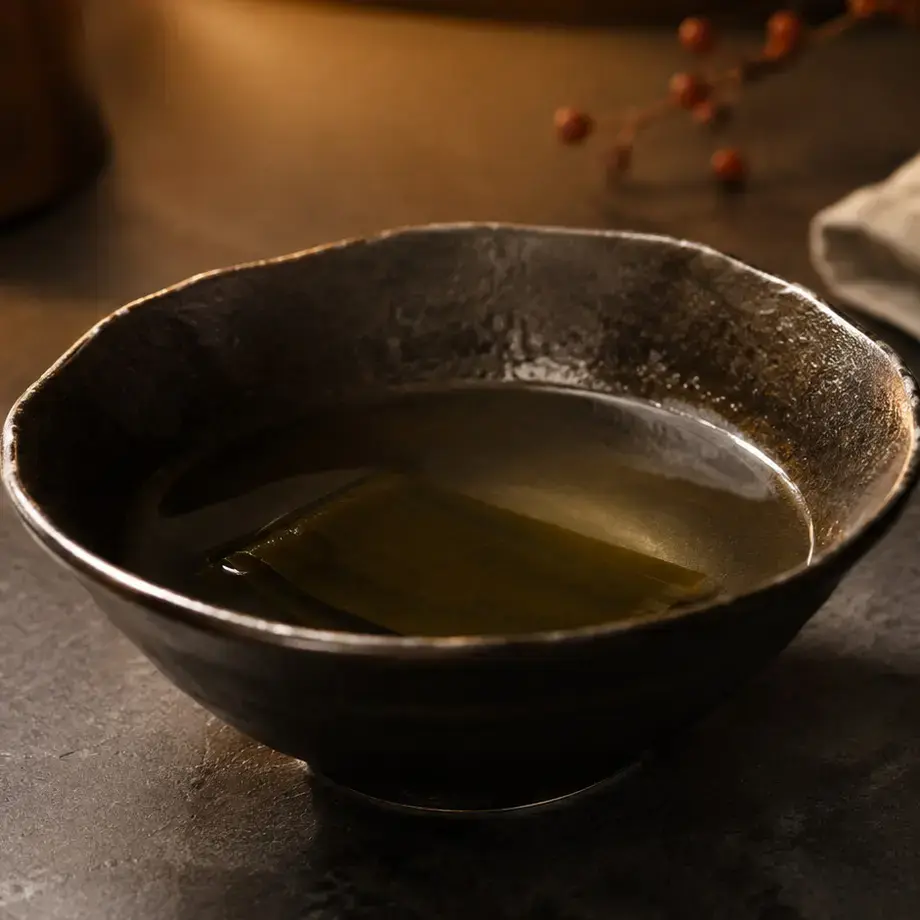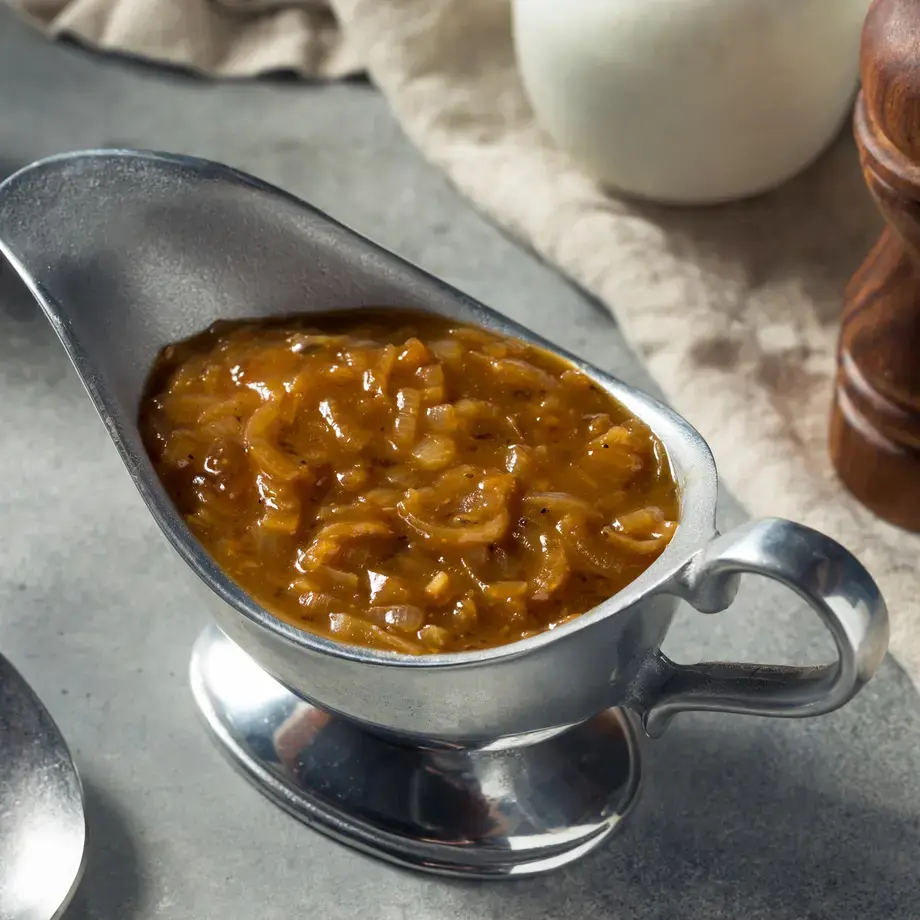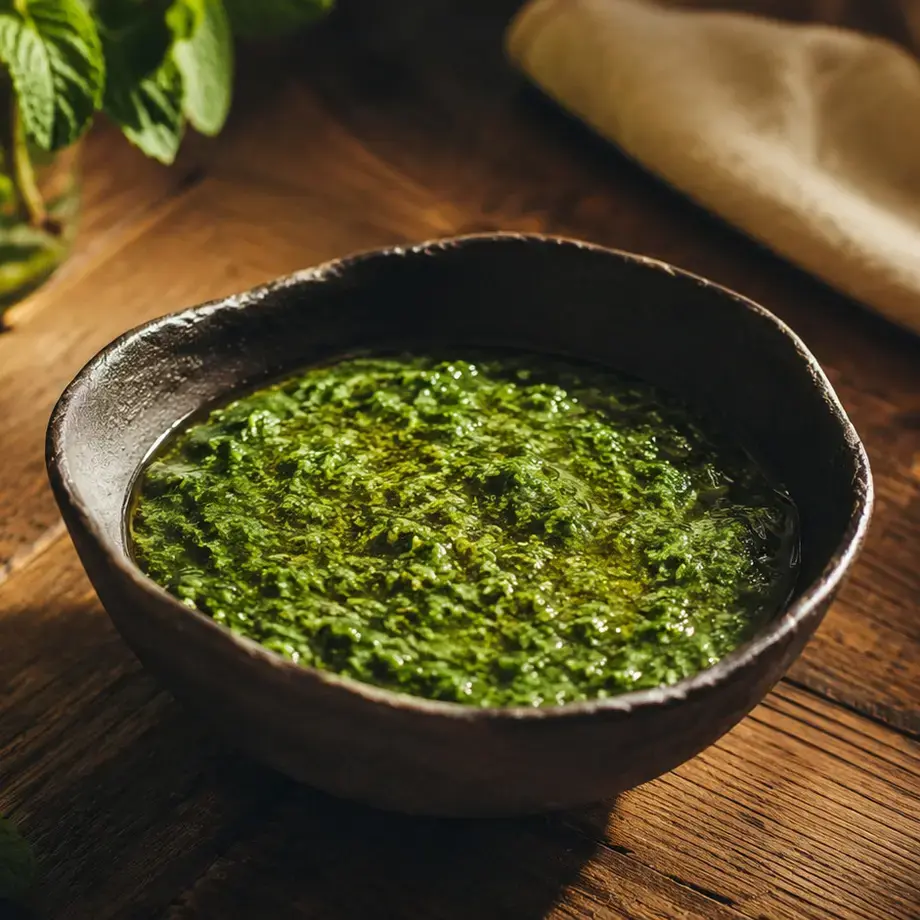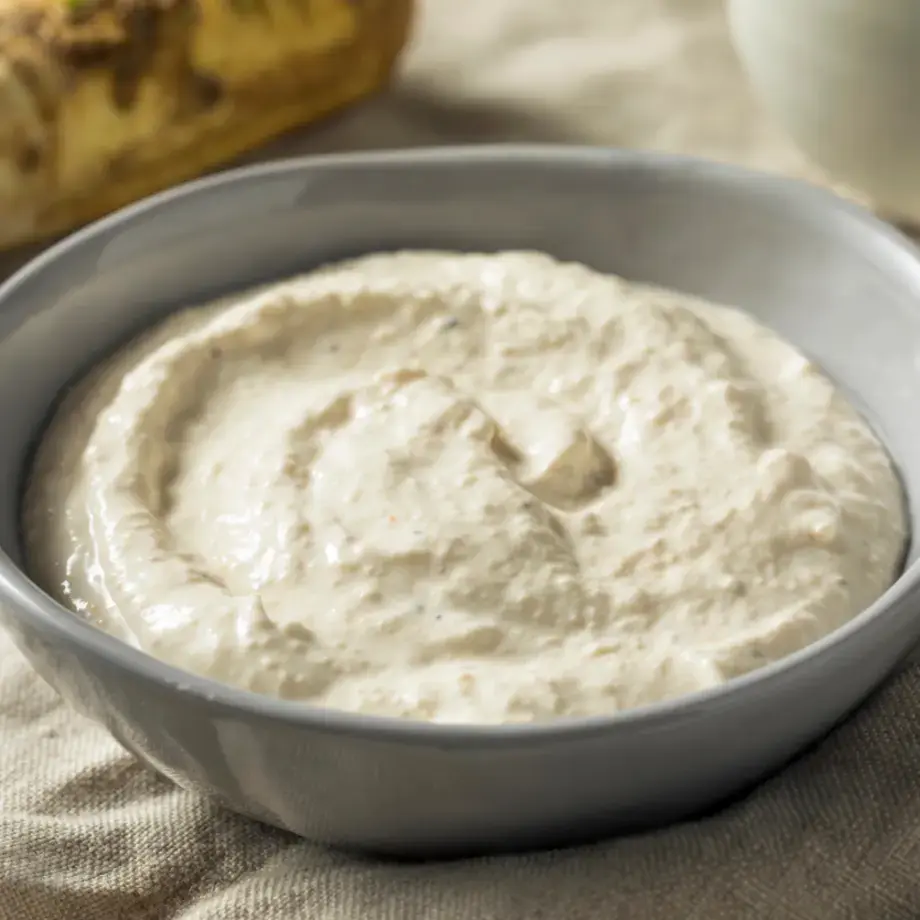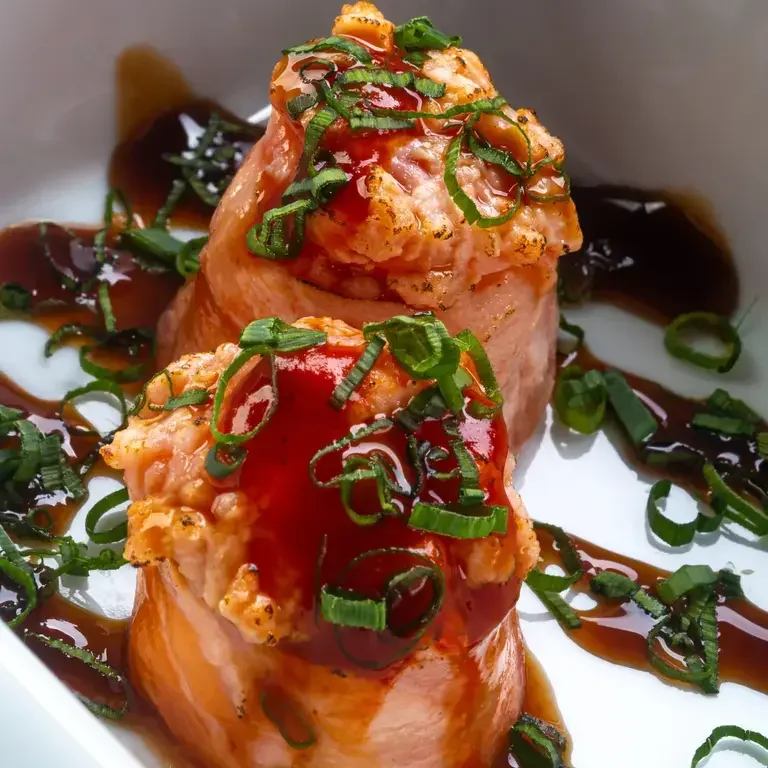

Tare is a concentrated seasoning that provides much of the salty, savoury flavour in a bowl of ramen. Take care to balance the saltiness, sweetness and umami notes in the tare, following the suggested ingredients ratio in the recipe above.
Simmering concentrates the flavours, but reducing the tare too far can make it overwhelmingly salty. Tare can also be infused with aromatics such as garlic, ginger, dried mushrooms or spring onions, which can be strained out after cooking.
How to use tare in ramen
Different types of tare are used to season varying styles of ramen, with shoyu, shio and miso among the most common. Shoyu tare is soy-sauce-based and can be combined with ingredients including dried mushrooms, dried fish and aromatics. The soy sauce forms the foundation of this ramen, giving it a dark colour and pronounced savouriness.
Shio tare, however, focuses on salt as the primary seasoning, for a lighter-coloured broth which lets the flavours of the stock remain central to the dish. Whichever style you choose, add the ramen tare to the serving bowl and then pour the hot broth over the top, allowing the seasoning to disperse evenly.
Miso tare uses miso as its main seasoning, creating a richer, deeper flavour with a thicker texture than shio or shoyu tare. It can be made with white, yellow or red miso, depending on the desired intensity and is often combined with ingredients such as garlic, ginger, sesame or chilli. Miso tare is particularly associated with the hearty, robust bowls of ramen found in Hokkaido, Japan.
For uses outside of ramen, try brushing tare over takoyaki (octopus balls), to create a glossy surface, or mix a little into wasabi mayonnaise to deepen the flavours.
Storage
Storage time will vary according to the ingredients used. Store in the fridge and use within the recommended timeframe for the individual ingredients. Tare can also be frozen in ice cube trays for individual portions. It will last up to one month in the freezer.
To explore more from the world of Japanese cuisine, take a look at our classic miso soup recipe. Or try making this unusual interpretation of a quintessential Japanese food with crystal sushi from chef Oliver Li, and take a look at our top tips on how to eat sushi to best enjoy the dish.