Citrus brings brightness, aroma and precision to cooking and drinks, from delicate floral notes to sharp, palate-cleansing acidity. This guide clarifies what qualifies as citrus, maps the main families and varieties, explains flavour and seasonality, and offers refined ideas for savoury dishes, desserts and drinks, along with storage and zesting tips.
What counts as a citrus fruit?
Citrus are evergreen flowering trees in the genus Citrus and close relatives in the wider Rutaceae family. Most commercially known fruits are hybrids of three ancestral types: citron, pomelo and mandarin. Lemons and limes are typically citron-derived, oranges and tangerines derive largely from mandarin, and grapefruits descend from pomelo crosses. Citrus fruits have high aromatic oil content in their peel, segmented juicy flesh and a spectrum of acidity and bitterness that makes them invaluable in the kitchen.
Key citrus families and representative varieties
Citrus diversity is best understood through its main groups, with a few benchmarks in each.
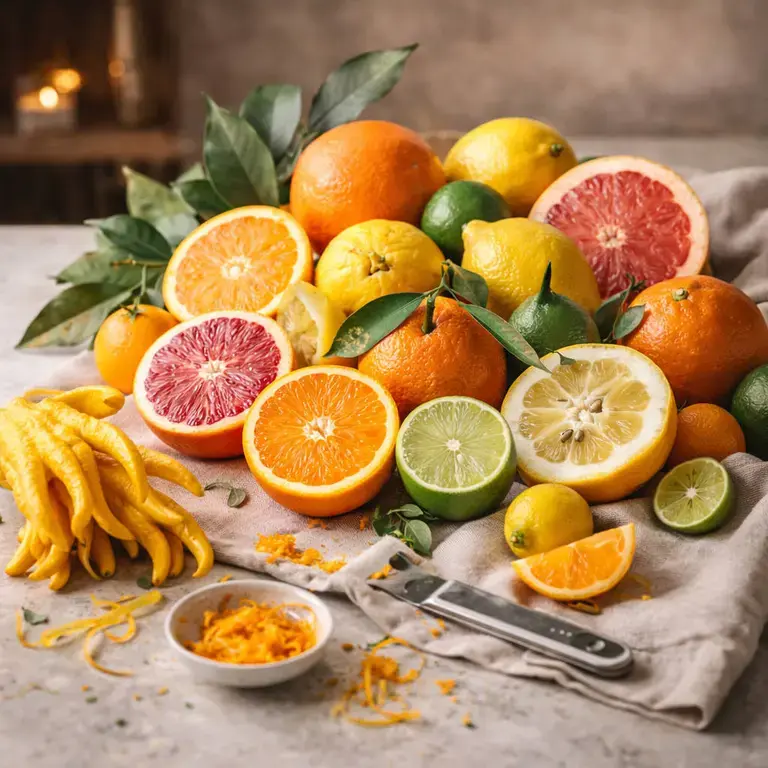
- Oranges: sweet orange, blood orange, navel, Valencia; speciality picks include Cara Cara and Seville for marmalade.
- Mandarins and tangerines: clementine, satsuma, tangerine, tangelo; prized for easy peeling and perfumed sweetness.
- Lemons: Eureka and Lisbon as standards, plus Meyer with softer acidity and floral aroma.
- Limes: Persian (Tahiti) for everyday use, Key lime for concentrated flavour, makrut lime for intensely aromatic leaves and zest.
- Grapefruits and pomelos: ruby grapefruit with balancing bitterness, pomelo with gentle sweetness and thick pith.
- Speciality citrus: yuzu with complex perfume, bergamot with tea-like aromatics, calamansi with vivid sourness, citron and Buddha’s hand for zest and candying.
Flavour profiles and seasonality of citrus fruits
Citrus flavour combines acidity, sweetness, bitterness and aromatic oils.
- Acidity: sharp in lemon and lime, softer in Meyer lemon and some mandarins.
- Sweetness: highest in late-season oranges and clementines.
- Bitterness: marked in grapefruit and Seville orange, useful for balance.
- Aromatics: floral in yuzu and bergamot, resinous in makrut, spicy in some blood oranges.
Seasonality varies by region, but broadly: early autumn to late winter is prime for oranges, mandarins and yuzu; late winter into spring suits lemons; grapefruit peaks in winter; pomelo often runs from autumn to winter. Use seasonality to guide applications, from bright winter salads to spring desserts.
Using citrus in savoury dishes and salads
Citrus cuts richness, lifts aromatics and adds texture.
- Dressings and vinaigrettes: blend lemon or yuzu juice with good oil, fine salt and a little honey or mustard for balance. Segment oranges or grapefruit for salads with bitter leaves, fennel or avocado.
- Seafood and poultry: finish fish with lemon zest and a light citrus butter, or roast chicken with lemon halves and herbs for perfumed steam. Makrut lime leaves can perfume broths and marinades.
- Vegetable cookery: use orange segments with beetroot, or lime with charred brassicas. Preserve lemon for braises and grains.
For technique on balancing acidity and seasoning in dressings, see the editorial guide on building vinaigrettes and flavouring with citrus.
Using citrus in desserts and drinks
Citrus structures sweetness and brings clarity to rich preparations.
- Baked and set desserts: lemon tart, orange olive-oil cake, yuzu curd, bergamot panna cotta. A citrus pie with a well-reduced filling shows how to capture aroma.
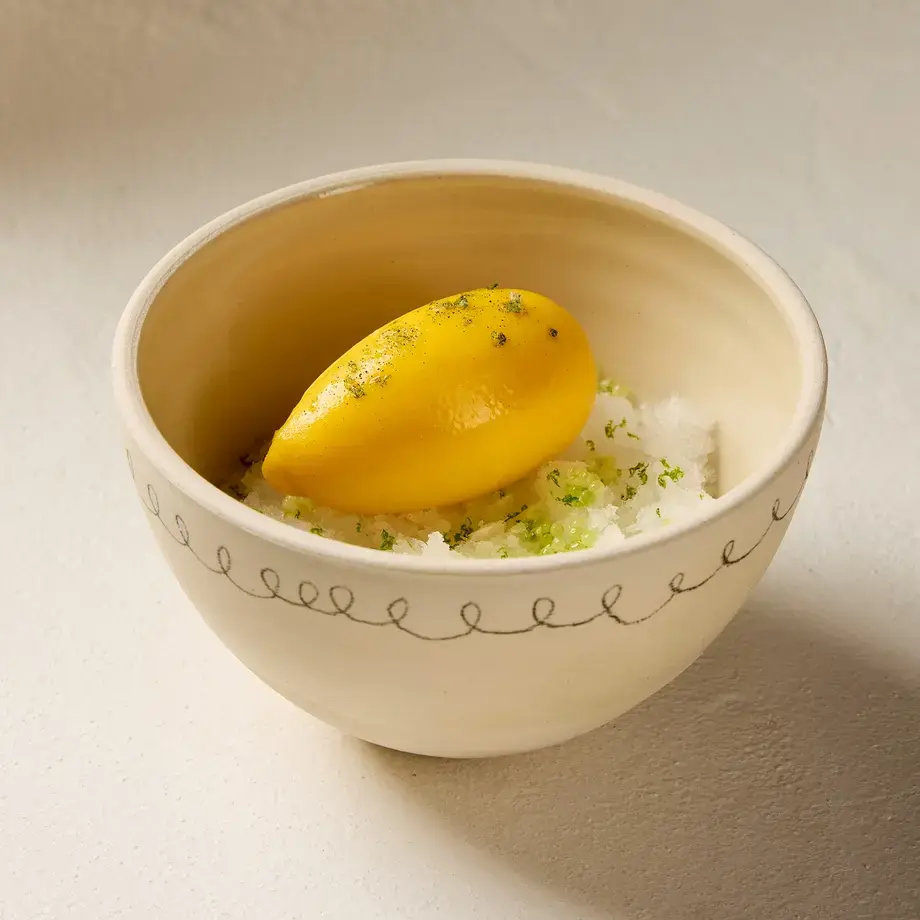
- Frozen desserts: sorbet from blood orange or grapefruit for palate cleansers.
- Candied and confit: citron peel and Buddha’s hand are exceptional for candying, crumb and garnish.
- Drinks: citrus syrups for cocktails, non-alcoholic spritzes, hot infusions with honey and spice. When pairing beer with desserts that feature citrus, balance bitterness and acidity with malt sweetness and texture for a composed finish.
Storing, preserving and zesting citrus fruits
Quality handling protects aroma and texture.
- Storage: keep whole fruit cool and ventilated, ideally refrigerated in a breathable bag to retain moisture. Avoid sealing warm fruit in airtight containers to prevent mould.
- Preserving: cure lemons with salt for savoury use, candy peels for patisserie, or make marmalades from Seville oranges. Freeze zest in small portions and juice in ice trays for service.
- Zesting: use a fine rasp for aromatic oils without bitter pith; for wider ribbons, a channel knife yields elegant twists for desserts and drinks.
With a grasp of families, flavour and seasonality, citrus becomes a precise tool for brightness and perfume, from composed salads to cocktails and from delicate pastries to rich mains.