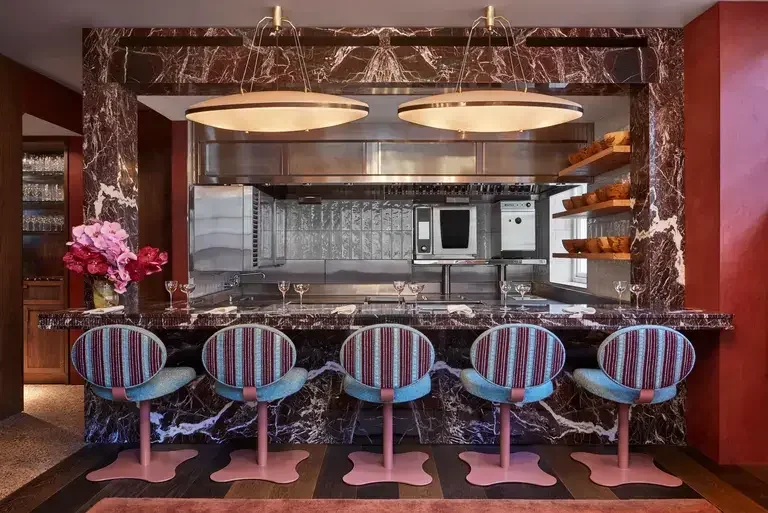
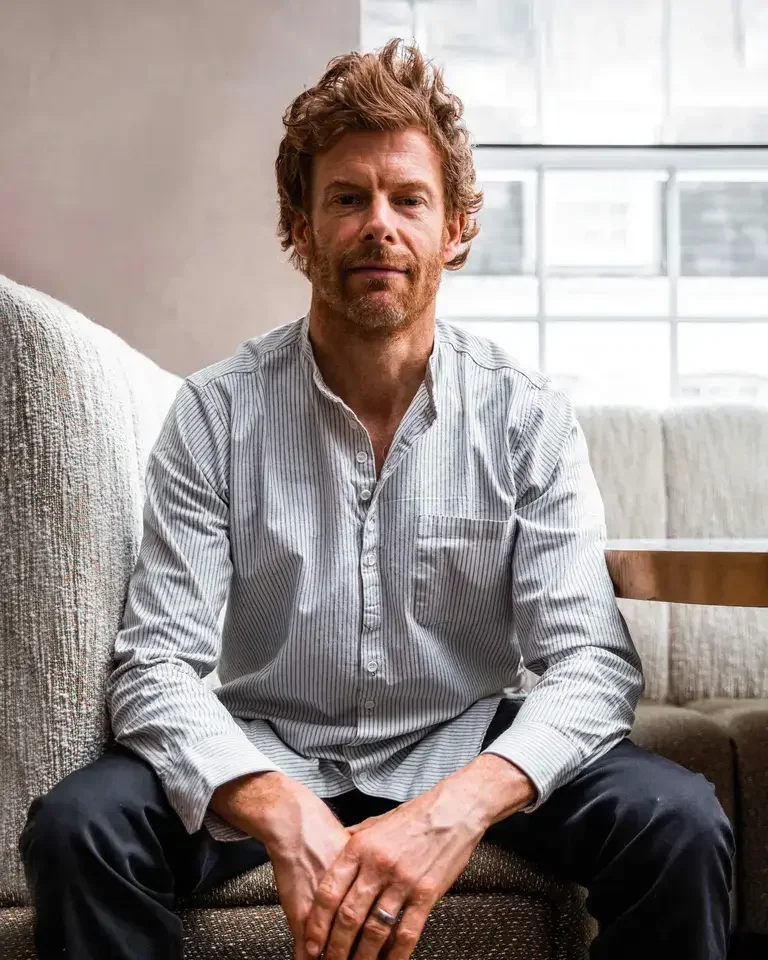
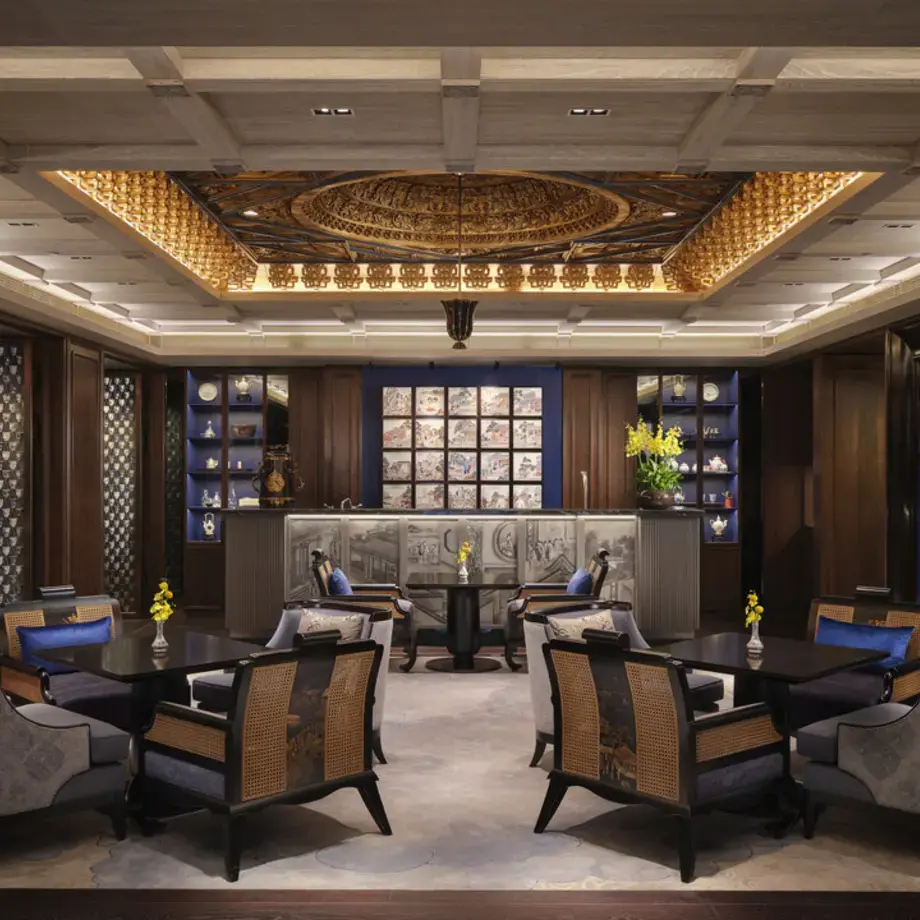
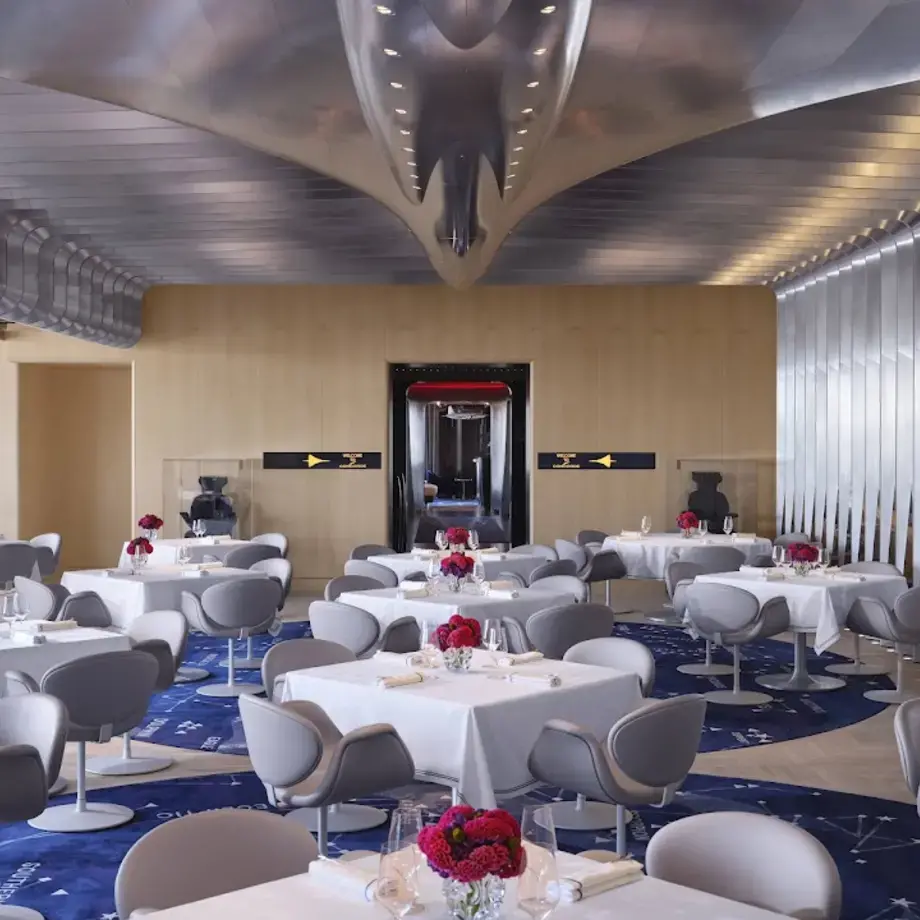
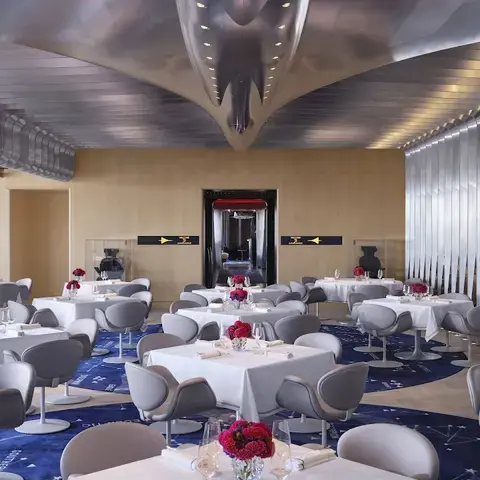
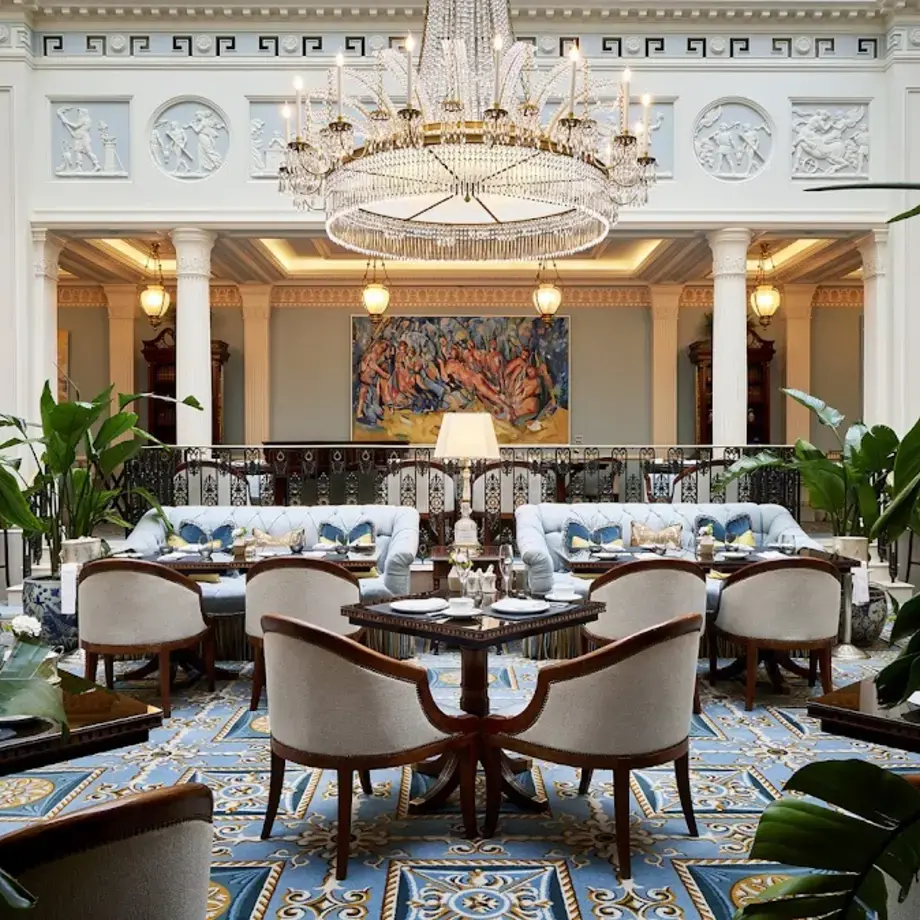
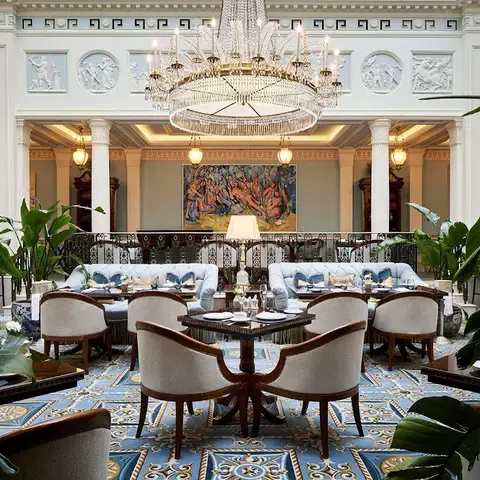
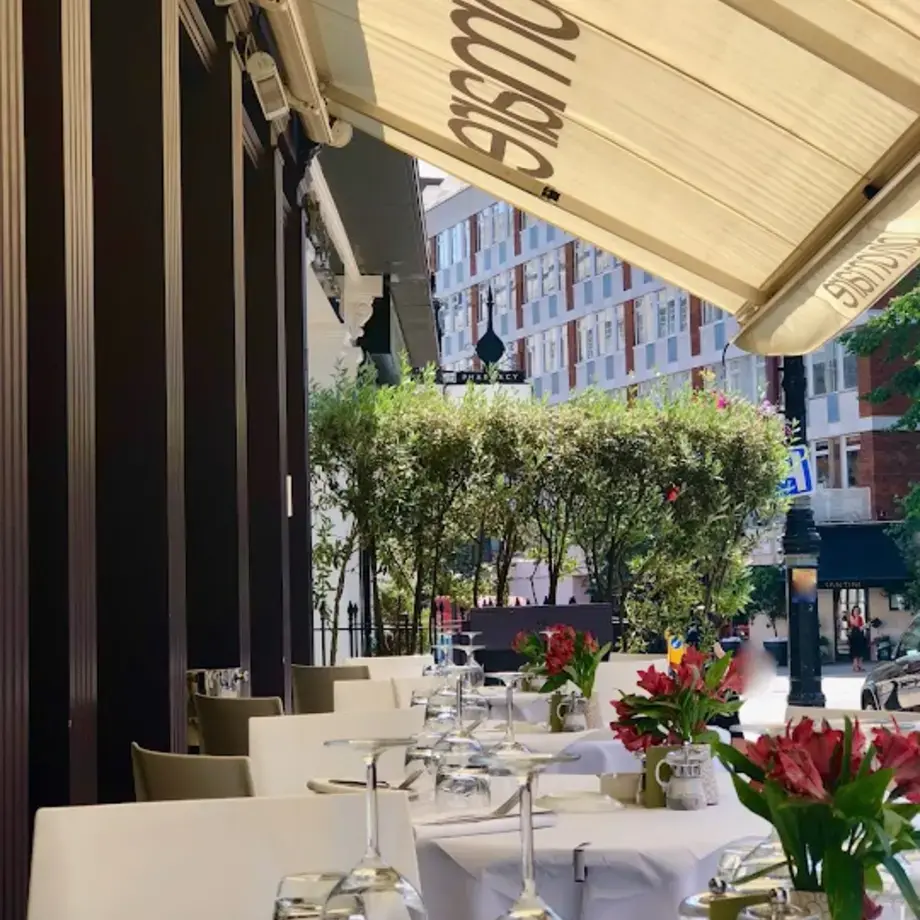
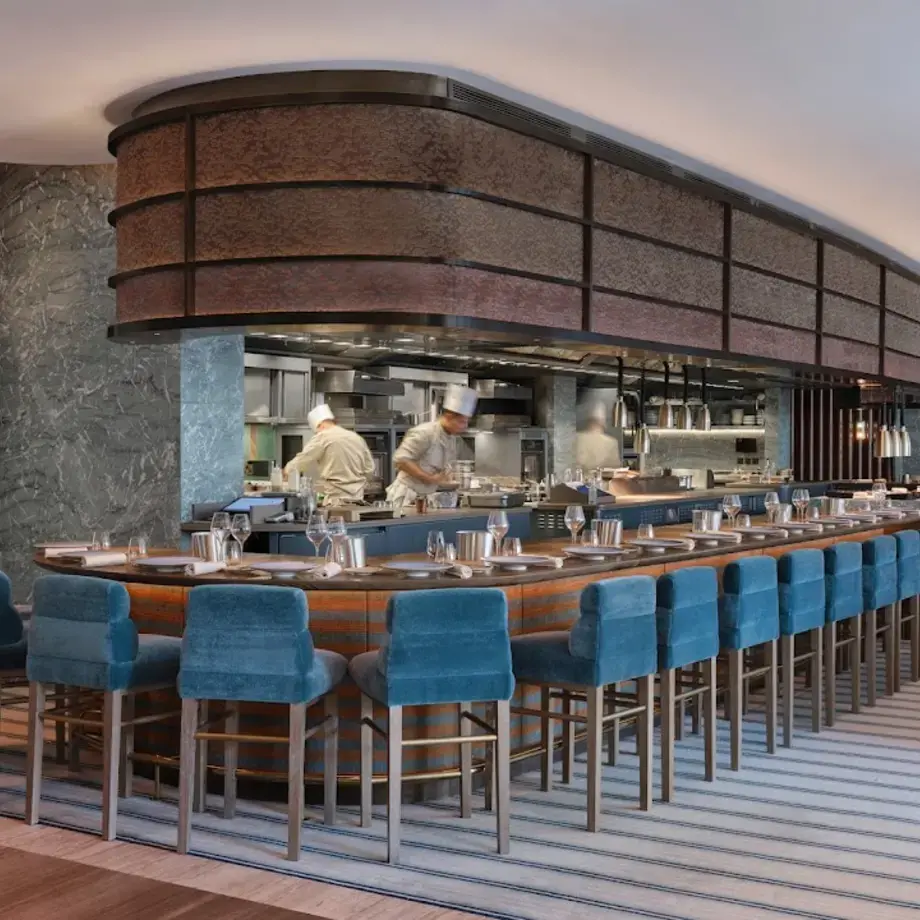
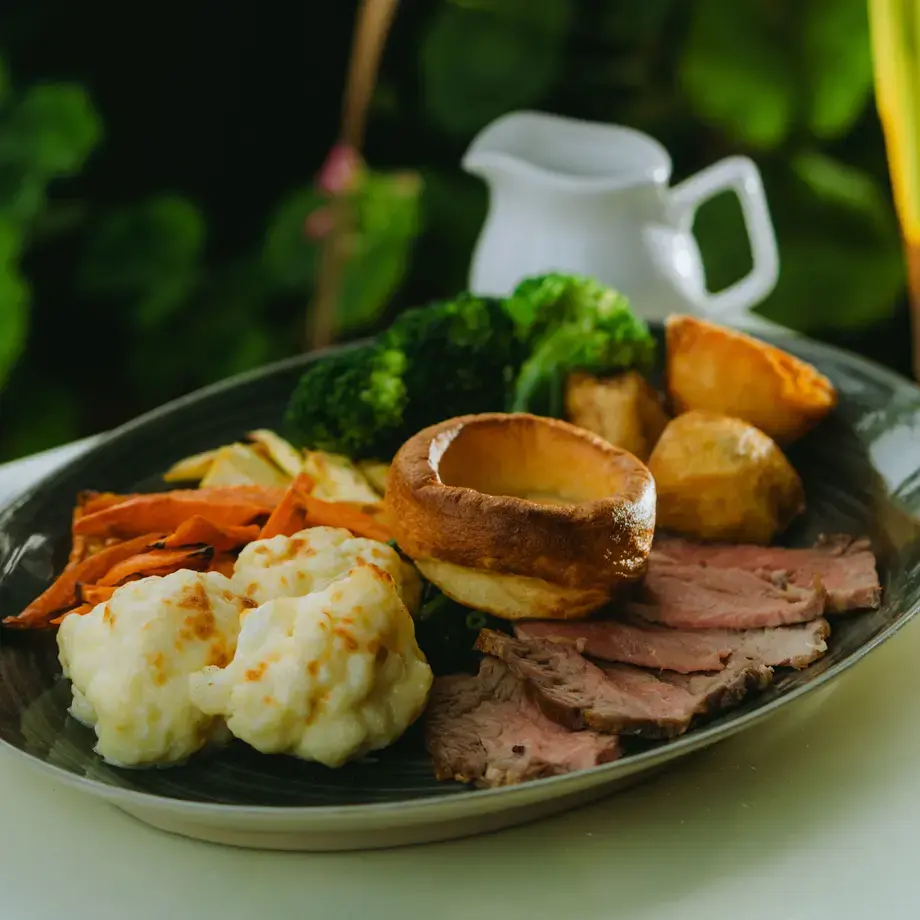
Stepping through the doors of Muse, one enters an environment where considered design meets understated sophistication. The address on Groom Place gives little away, yet this sense of quiet reserve is echoed within – Muse feels more like a private townhouse than a conventional restaurant. Discreetly partitioned, intimate dining spaces invite diners to settle in and focus on the interplay of flavour and form that unfolds from Tom Aikens’ kitchen.
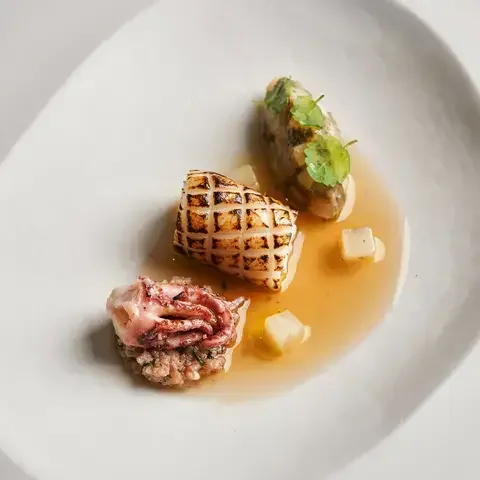
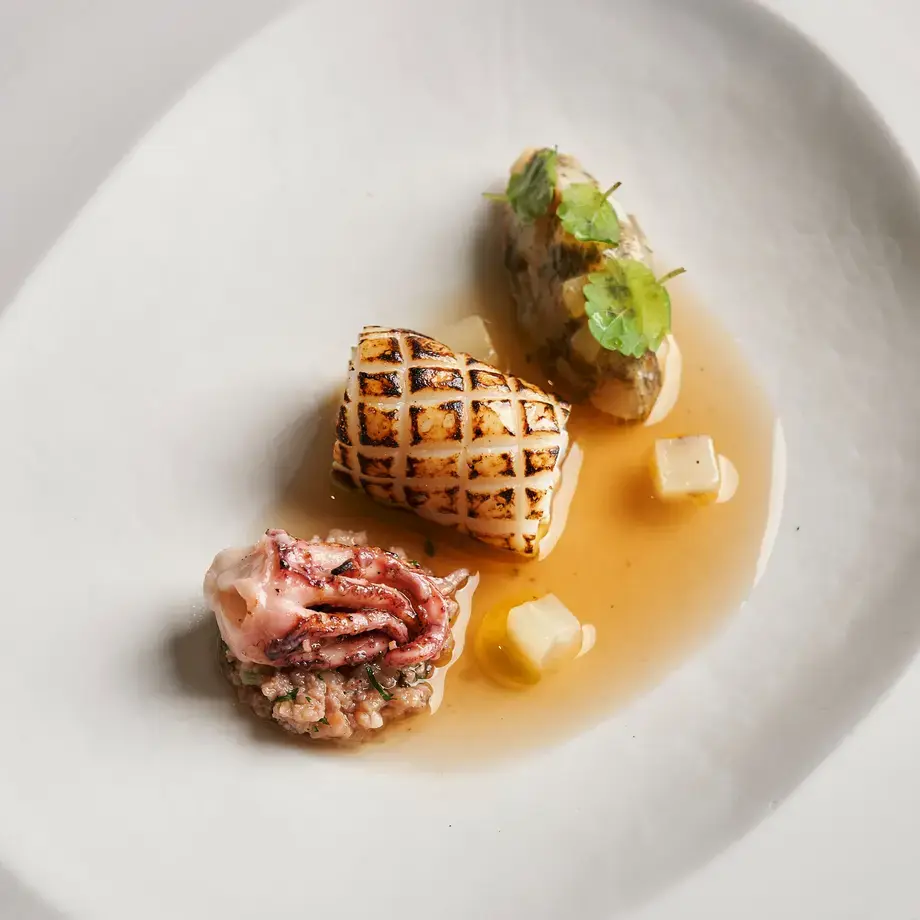
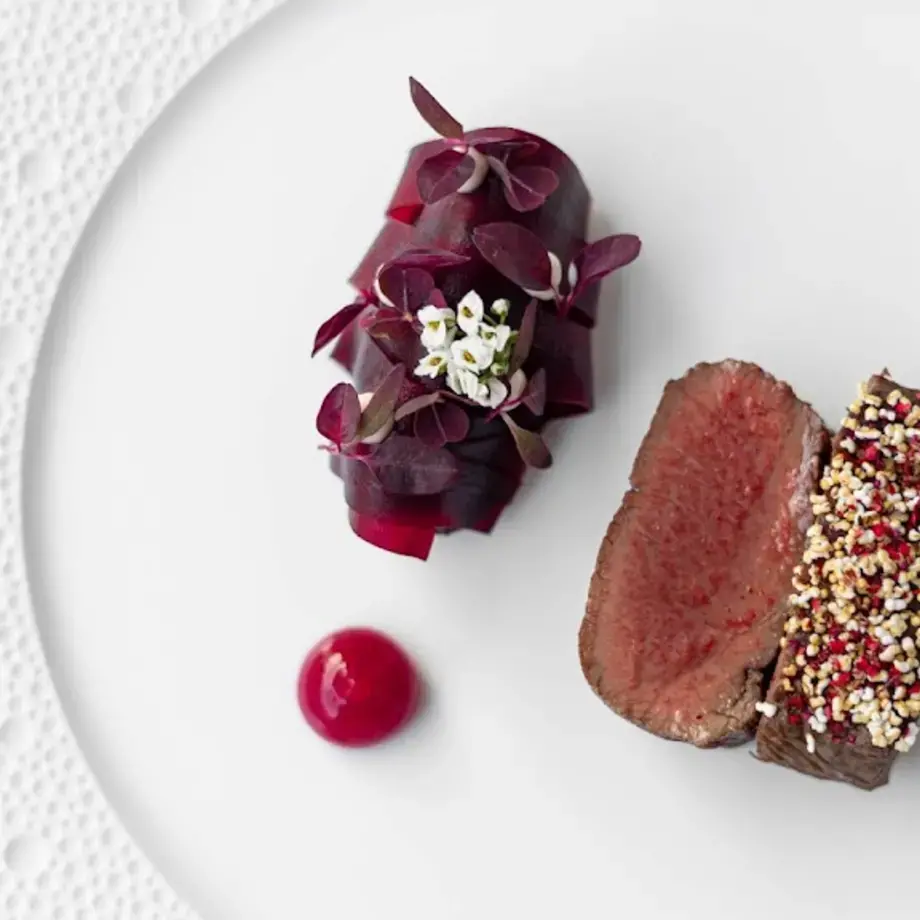
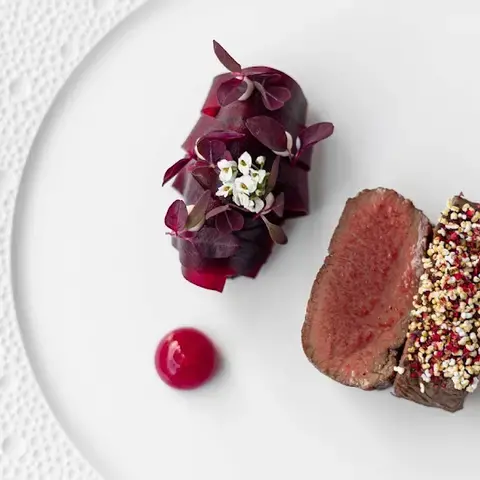
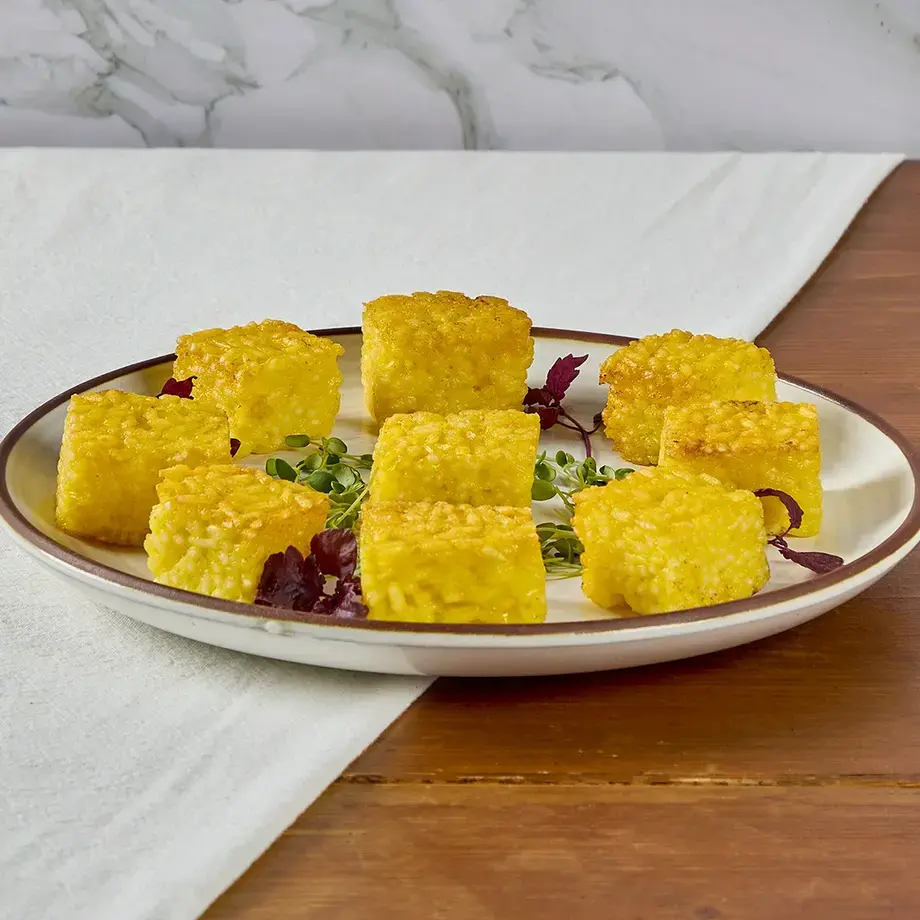
Each dish at Muse reflects a meticulous and personal approach. The presentation is studied and precise, with ingredients often arranged in minimalist, almost architectural fashion – each element allotted its own space, always supporting the whole. Plates arrive as thoughtful compositions, their colours and textures balanced with an artist’s restraint. The lack of ostentation is deliberate: attention is reserved for the clarity of produce and the carefully controlled technique behind each preparation.
Muse leans into a narrative style, apparent in the gentle rhythm of the multi-course tasting experience. Flavours evolve in a choreography of subtly shifting themes rather than bold, isolated statements. There’s a confidence here in letting produce – often seasonal, always immaculately sourced – take centre stage, while technical flourishes are applied sparingly, to amplify rather than overshadow. Recurring notes may surface – earthiness from root vegetables, the vibrancy of fresh herbs, hints of smoke or char – each suggesting a connection to a place or past without lapsing into nostalgia.
What distinguishes Muse is this marriage of innovation with discipline. Familiar techniques are applied with such refinement that each course feels wholly distinct, yet there’s a quiet thread linking them, a sense of thoughtful progression anchored by Aikens’ belief in balance and restraint. The result is not an overt spectacle, but a subtle accumulation of sensory detail – dishes designed to linger in the mind as much as on the palate.