While fish and toppings often capture the spotlight, sushi rice is the quiet foundation that determines balance and harmony in every bite. Seasoning it correctly is an art rooted in centuries of Japanese culinary tradition, blending precision, restraint and respect for the ingredient. Understanding how to season sushi rice is essential for achieving that perfect balance between tangy, sweet and savoury – the essence of authentic sushi.
What makes sushi rice unique?
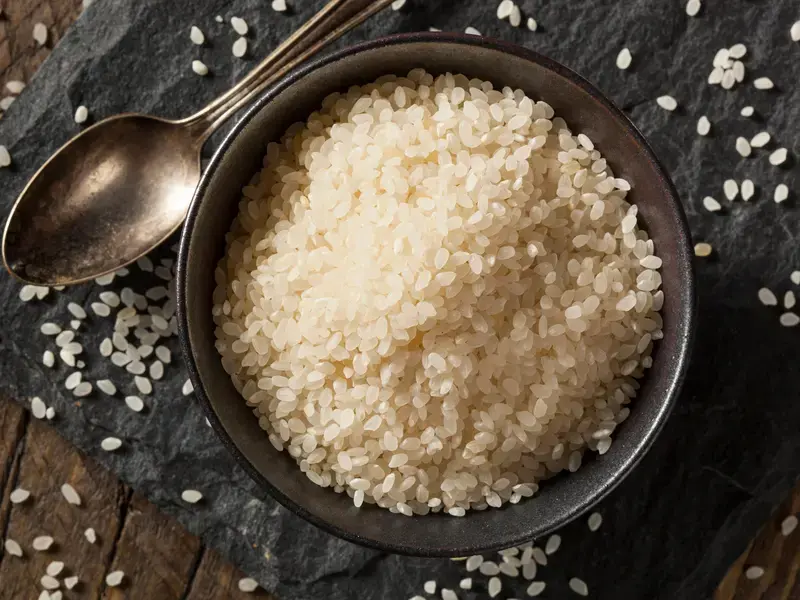
Sushi rice, or shari, is not just steamed rice. It’s a carefully chosen short-grain or medium-grain variety known for its slightly sticky texture and subtle sweetness. Unlike long-grain rice, which cooks up light and separate, sushi rice clings together just enough to hold shape without becoming mushy.
The most common types include Koshihikari, prized for its glossy finish and delicate aroma, and Sasanishiki, known for its consistency and neutral flavour. These varieties are rich in starch, allowing them to absorb the vinegar seasoning evenly. The goal is harmony – rice that holds together gracefully when you eat sushi with your hands or chopsticks, while still feeling light on the palate.
What makes sushi rice exceptional is not only its grain but the seasoning that defines its flavour. The mixture of rice vinegar, sugar and salt gives it that characteristic brightness and umami depth that complements fish, vegetables and seaweed alike.
Ingredients needed to season sushi rice
The seasoning for sushi rice is a delicate emulsion that requires attention to both ingredients and proportions.
Rice vinegar forms the base, providing acidity and sheen. Sugar adds a hint of sweetness that rounds off the vinegar’s sharpness, while salt enhances flavour and balance. Together, these ingredients create the su, the seasoning liquid that gives sushi rice its distinctive character.
Some chefs add a small piece of kombu (dried kelp) to the rice during cooking, enriching it with umami and subtle oceanic notes. The seasoning is then folded into the hot rice, ensuring each grain absorbs the flavour evenly without breaking.
Traditional vs modern seasoning blends
In traditional Edo-style sushi, the seasoning was stronger, designed to preserve the rice before refrigeration existed. Modern versions are gentler, highlighting freshness over longevity. Today, chefs often fine-tune their blends: more sugar for delicate fish such as snapper or flounder, or slightly more vinegar for richer toppings like tuna and eel.
Contemporary restaurants sometimes experiment with alternative vinegars, such as brown rice vinegar or even apple vinegar, to create unique flavour profiles. Yet the goal remains the same: balance. The rice should never overpower the fish, only enhance it.
How to season sushi rice step by step
- Cook the rice properly. Rinse the rice several times until the water runs clear, removing excess starch. Cook it in a rice cooker or heavy-bottomed pot with a precise water ratio (usually 1:1.1 by weight). Avoid overcooking – perfectly steamed rice should be glossy, firm and moist.
- Prepare the seasoning. In a small saucepan, gently heat rice vinegar with sugar and salt until dissolved. The proportions can vary, but a classic ratio is around 120ml vinegar, 40g sugar and 10g salt per 1kg of cooked rice. Adjust slightly depending on the rice variety and the type of sushi you’re preparing.
- Combine while hot. The key question: do you season sushi rice hot or cold? Always season it while it’s hot. The warmth allows the rice grains to absorb the vinegar mixture fully, giving them flavour and shine without becoming soggy.
- Fold gently. Transfer the rice to a wooden tub (hangiri) or wide bowl. Pour the seasoning evenly over it, then fold carefully using a wooden paddle in slicing motions to avoid crushing the grains. Fan the rice as you mix to cool it quickly – this helps achieve that signature glossy texture.
- Let it rest. Once cooled to body temperature, the rice is ready to use. It should be slightly warm to the touch, neither hot nor cold, as this is the ideal temperature for shaping sushi and maintaining the delicate balance between rice and topping.
Common mistakes to avoid
Avoid adding too much seasoning, which can make the rice overly sticky or acidic. Using cold rice or pouring the seasoning all at once can also lead to uneven absorption. Another frequent error is refrigerating plain cooked rice before seasoning – once chilled, the grains harden and lose their ability to absorb flavour properly.
Equally, overmixing the rice can break the grains and turn them pasty. Gentle folding and correct temperature control are what separate professional sushi rice from a home attempt.
How to store seasoned sushi rice
Freshly seasoned rice is at its best when used immediately, but if you need to store it, keep it covered with a damp cloth at room temperature for a few hours. Refrigeration causes the starch to harden, making the rice dry and crumbly.
If you must refrigerate, wrap the rice tightly in cling film and store it in an airtight container. To restore its texture, gently reheat it with a touch of moisture – a damp towel over the bowl or a brief steam can help. Generally, seasoned sushi rice lasts up to a day in the fridge, though it’s best enjoyed fresh.
Proper storage is particularly important when preparing different types of sushi – from nigiri and maki rolls to chirashi bowls. Fresh, slightly warm rice not only enhances the flavour of the fish but also affects how sushi should be eaten: ideally in one bite, allowing rice and topping to melt together in perfect harmony.
Sushi rice is a study in simplicity and discipline. With the right rice, precise seasoning and gentle handling, you can achieve that balance of texture, aroma and flavour that defines fine sushi. Like all great Japanese techniques, it rewards patience and respect — a reminder that even the humblest grain can be elevated to art.