
In the seventeenth century, Dutch artists produced more than a quarter of a million still life and genre paintings, over half of which portrayed lemons, whole, halved or peeled. Why were these waxy, knobbly yellow fruit painted so frequently? They were not easy to grow in Northwestern Europe, neither were they widely available. They were not the sweetest fruit, nor the prettiest. The lemon twist in paintings offers us a tool to understand the desires of the society of its time, from lemon’s lure to lemon’s cure.
When Art Gives You Lemons
What was it about the humble lemon that made it such a popular subject in seventeenth century art, especially when so few people even had access to lemons in those times?
03 Nov 2020
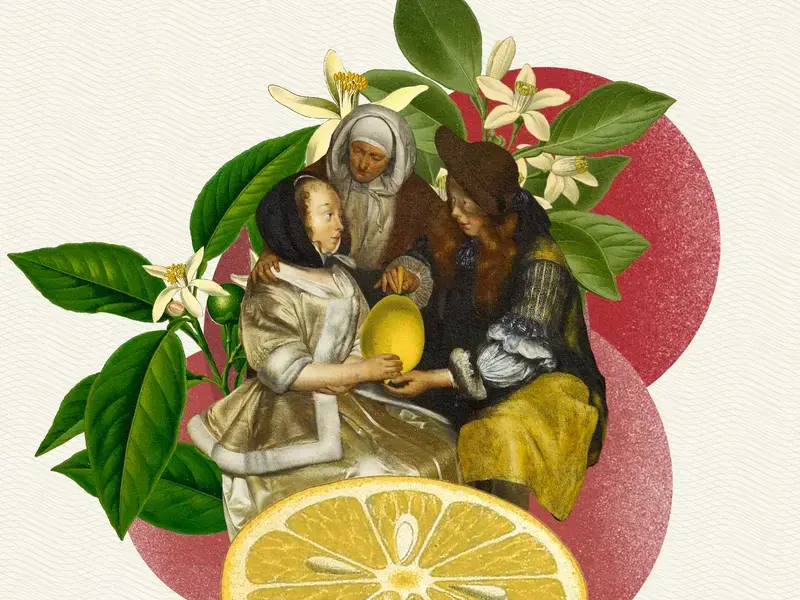
Photo by: Fine Dining Lovers Artwork
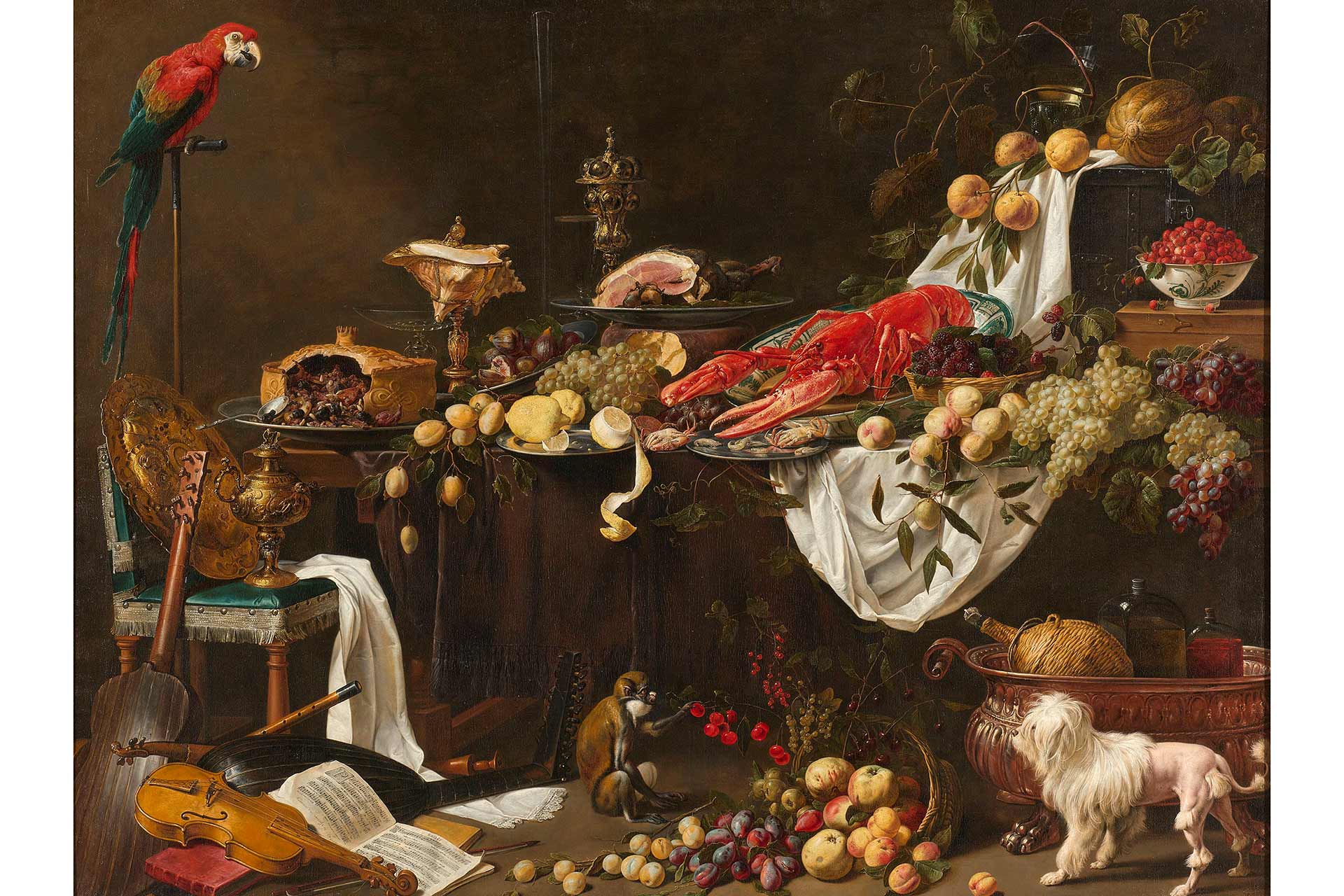
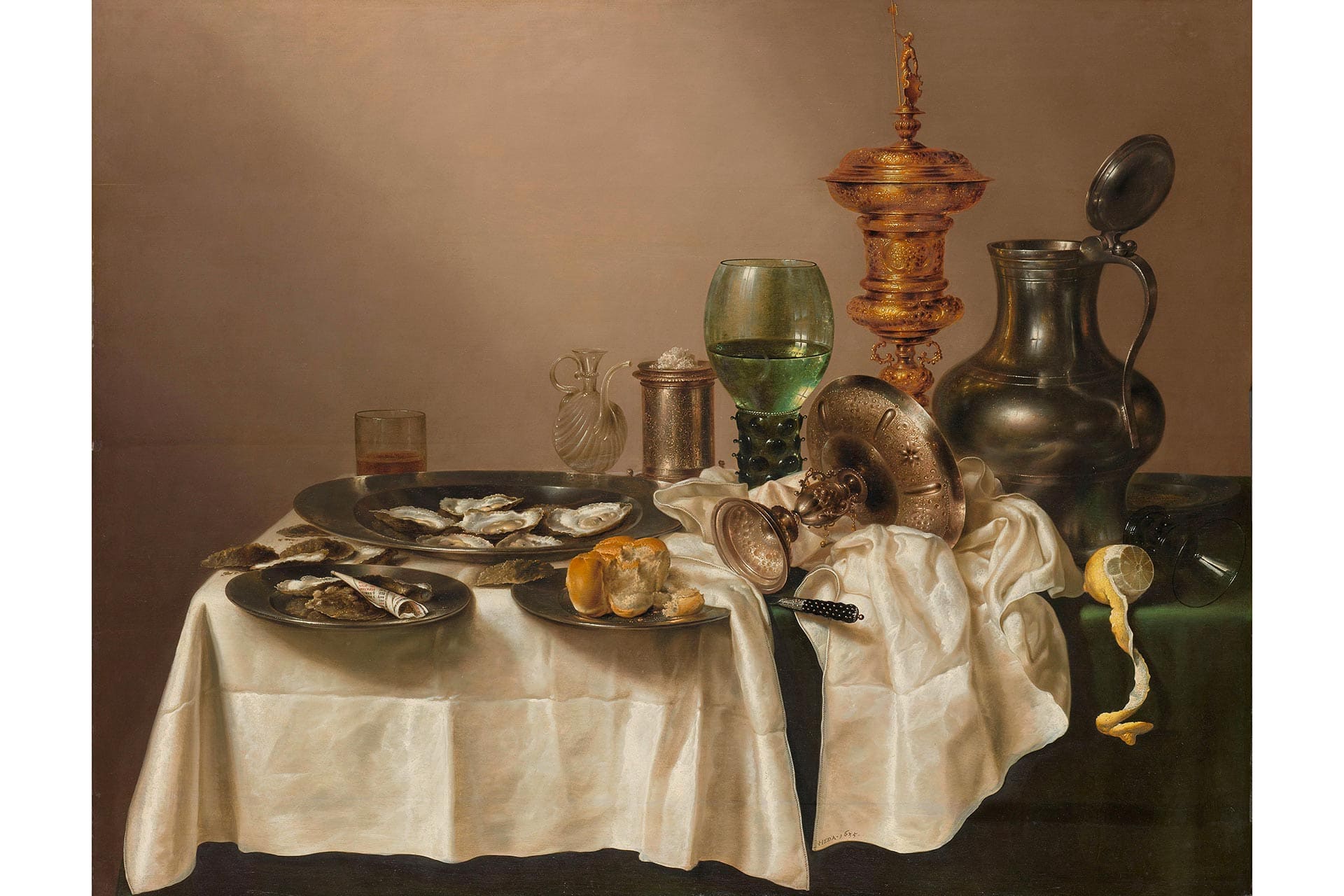
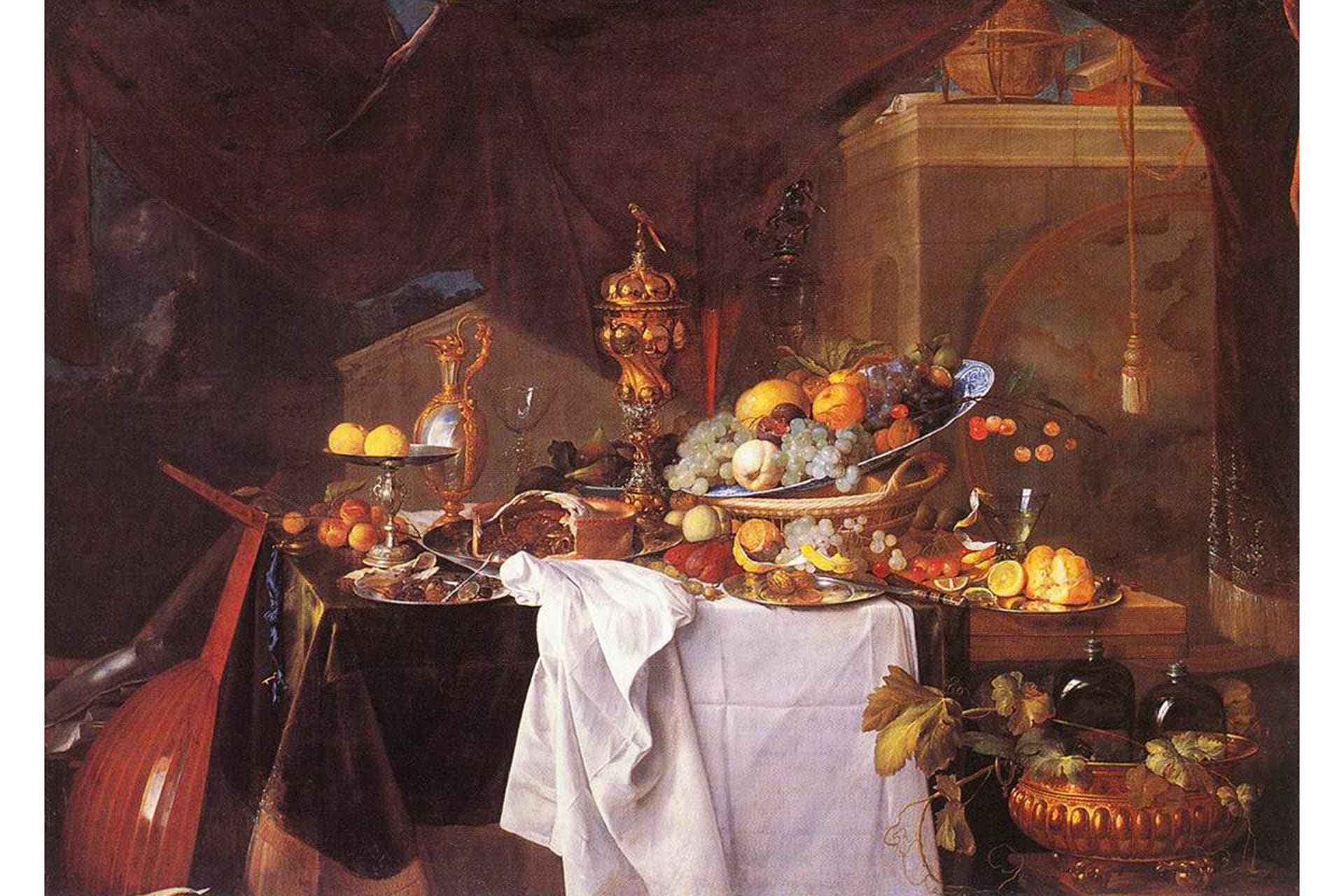
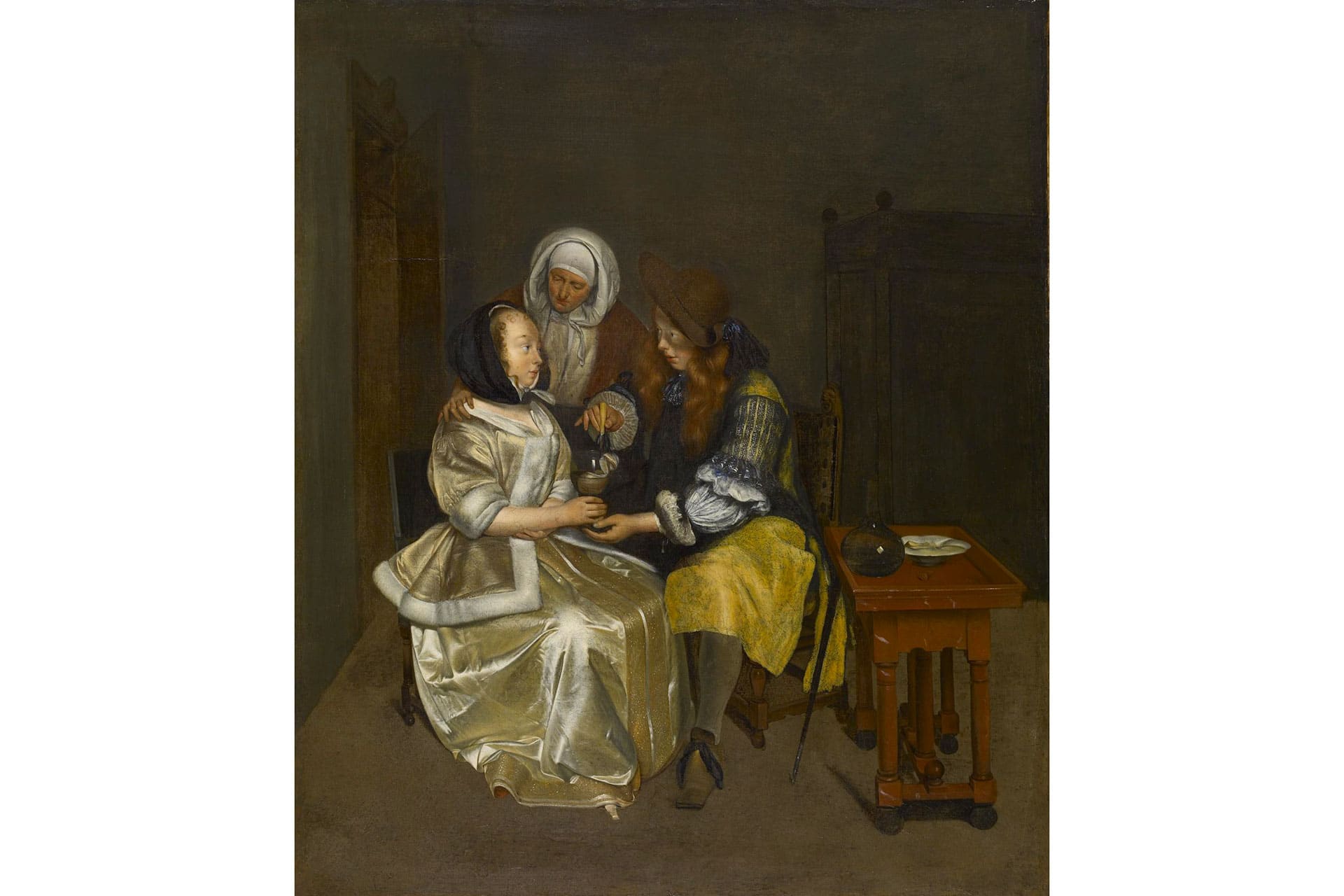
A Glass of Lemonade. Gerard ter Borch, c. 1664
The popular appeal of still life and genre paintings, and the wish to make meaning through the temptation of lemons disappeared by the 19th century. Yet the bright yellow fruit often finds its way into paintings, photographs and film to this day.
Lemons nowadays might be stripped from their symbolism of exotic abundance, or their value as a highly-prized market item, but they continue to enrich our food and our senses with their pulp, peel and everything in between.

Read more







Get your free hot trends guide
Sign up for our monthly round-up of foodie inspiration and unlock our exclusive guide to what's hot in food and drink this year.
Get your free plating guide
Sign up for our monthly round-up of foodie inspiration and receive our exclusive plating guide free.
Discover your next fav spot
Sign up for our monthly round-up of foodie inspiration and receive our exclusive restaurant guide free.