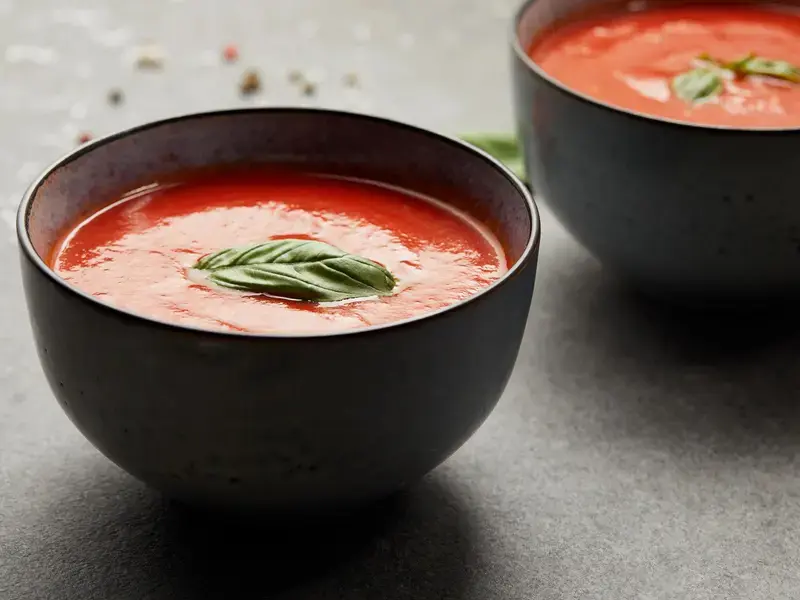
Whether it’s a French bisque, an Italian minestrone or a Japanese miso soup, achieving the right texture can elevate a simple dish to something deeply satisfying. Knowing how to thicken soup with precision allows chefs to enhance body and mouthfeel without dulling the natural taste of the ingredients. From classic roux-based preparations to lighter, vegetable-forward alternatives, the secret lies in technique and timing.
Why thicken soup?
Thickening a soup is not just about texture; it’s about harmony. The consistency determines how flavours linger on the palate, how aromas are released and how ingredients come together. A well-thickened soup coats the spoon lightly, offering richness without heaviness.
Across the world, cultures have developed their own interpretations of what makes the perfect soup texture. French cuisine favours smooth purées such as veloutés and potages, while in Thailand or Vietnam, clear yet aromatic broths are prized for their lightness. In the Middle East, lentil soups gain body from blended pulses, and in Mexico, pureed corn and beans create a comforting thickness. Each tradition reveals how technique and culture intertwine.
Classic methods to thicken soup
Roux and beurre manié
The roux is a cornerstone of classical French cookery – a mixture of flour and fat cooked together to create a thickening base. It’s used in soups like velouté or bisque, adding both structure and depth. The longer it cooks, the darker and more nutty it becomes, changing not just the texture but also the flavour.
A similar but quicker alternative is beurre manié, a paste of equal parts flour and butter kneaded together and whisked into hot liquid. It’s particularly useful for last-minute adjustments, allowing for control without lumps.
These flour-based methods work best for soups that benefit from a rich, silky texture, such as cream of mushroom, chicken or seafood chowders.
Reduction techniques
Reducing a soup means simmering it uncovered until some of the liquid evaporates, intensifying both flavour and texture. This method works well for broths or stock-based soups, where natural gelatin and starches can develop body without added ingredients.
The key to a good reduction is patience: low, steady heat and occasional stirring. Over-reducing can lead to excessive saltiness or stickiness, so tasting frequently is essential.
Adding starches
Starches are another classic way to achieve thickness. Cornflour, potato starch or arrowroot can be dissolved in cold water and added gradually to simmering soup. These create a smooth, glossy finish, ideal for delicate preparations such as Asian-inspired broths or clear soups.
In Western kitchens, flour or rice may also be used. Even bread – blended into tomato soup or gazpacho – provides natural body and a hint of rustic charm.
How to thicken soup without flour
For those seeking lighter, gluten-free or more vegetable-driven approaches, there are many ways to thicken soup without flour while keeping flavour intact.
Blended vegetables or legumes
Pureeing part or all of the soup is one of the simplest and healthiest methods. Root vegetables such as potatoes, carrots or parsnips contain natural starches that create a creamy texture when blended. In lentil or split pea soups, the legumes themselves act as both base and thickener, resulting in satisfying density without any added fat or flour.
To achieve a refined finish, pass the purée through a fine sieve or chinois, as done in professional kitchens. This ensures a velvety smoothness, perfect for soups like butternut squash, cauliflower or leek and potato.
Creams, eggs and emulsifiers
Creams and dairy bring richness and roundness to soups, softening acidity and adding body. Classic examples include cream of celery or bisque finished with double cream for a luscious mouthfeel. For a more modern approach, chefs might use alternative emulsifiers such as coconut milk or nut-based creams, which thicken while adding subtle complexity.
Egg yolks can also serve as a delicate thickener. In Greek avgolemono soup, for instance, beaten eggs mixed with lemon juice create a luxurious, tangy emulsion. The key is temperature control: add the mixture gradually to avoid curdling, keeping the heat low and stirring constantly.
Modern gastronomy has introduced yet more options, from xanthan gum to lecithin, which allow chefs to adjust viscosity precisely without altering flavour. Though less traditional, these techniques open new avenues for creativity in texture and presentation.
Choosing the right method for the dish
Selecting the right thickening technique depends on the type of soup and the desired result. Flour-based thickeners such as roux are ideal for robust European-style soups, where richness complements strong flavours. Reduction suits delicate broths or consommés, emphasising clarity and intensity. Vegetable purées and legumes create natural thickness and nutritional value, perfect for contemporary plant-based cuisine.
For a chicken soup, adding a light roux or a touch of blended potato can create comforting body without clouding the broth. In a lentil soup, pureeing a portion of the legumes and stirring them back in yields creaminess and depth. For clear soups like miso or pho, gentle reduction or a spoonful of starch ensures smooth consistency while preserving transparency.
Ultimately, the goal is not simply to make soup thicker but to make it balanced. The best soups of the world – from French bisque to Indian dal or Japanese ramen – achieve harmony between texture, flavour and aroma. A perfectly thickened soup feels complete: rich yet refined, comforting yet composed.
Ultimately, knowing how to thicken soup is as much about taste as technique. It’s the quiet art of transformation – turning liquid into silk, simplicity into substance, and everyday ingredients into something that lingers long after the bowl is empty.