At the start of the year, our thoughts turn to what and how we’re going to eat over the next 12 months, both in restaurants and at home. What will be the key trends in that define how we dine, cook and entertain in 2026? What can we expect to see on restaurant menus and supermarket shelves this year, and which of these trends, if any, are here to stay? These are our key food trend predictions for 2026.
5 food trends to look out for in 2026, whether dining out or in
Dinner at breakfast, wine proxies and fibre, fibre, fibre. Just some of the trends you can expect to see in 2026
30 Jan 2026
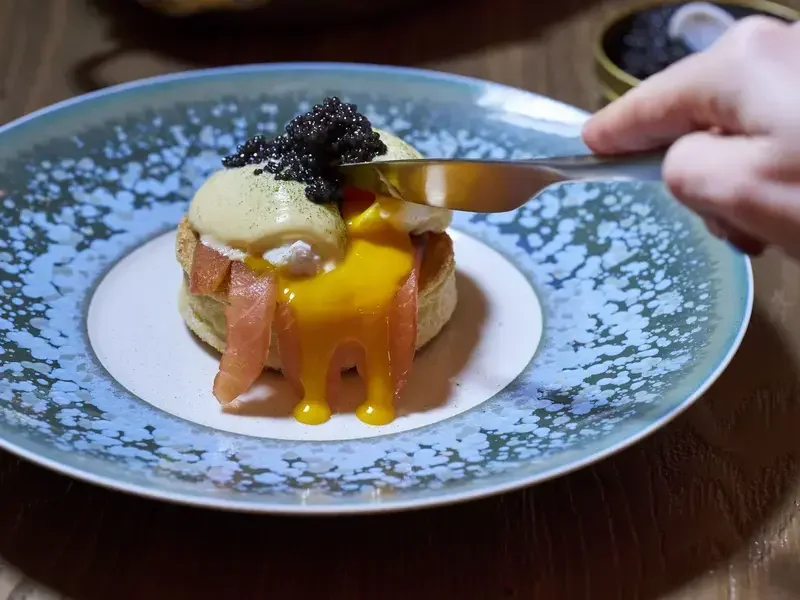
Eggs royale with caviar at Pavyllon
Wine alternatives continue to evolve
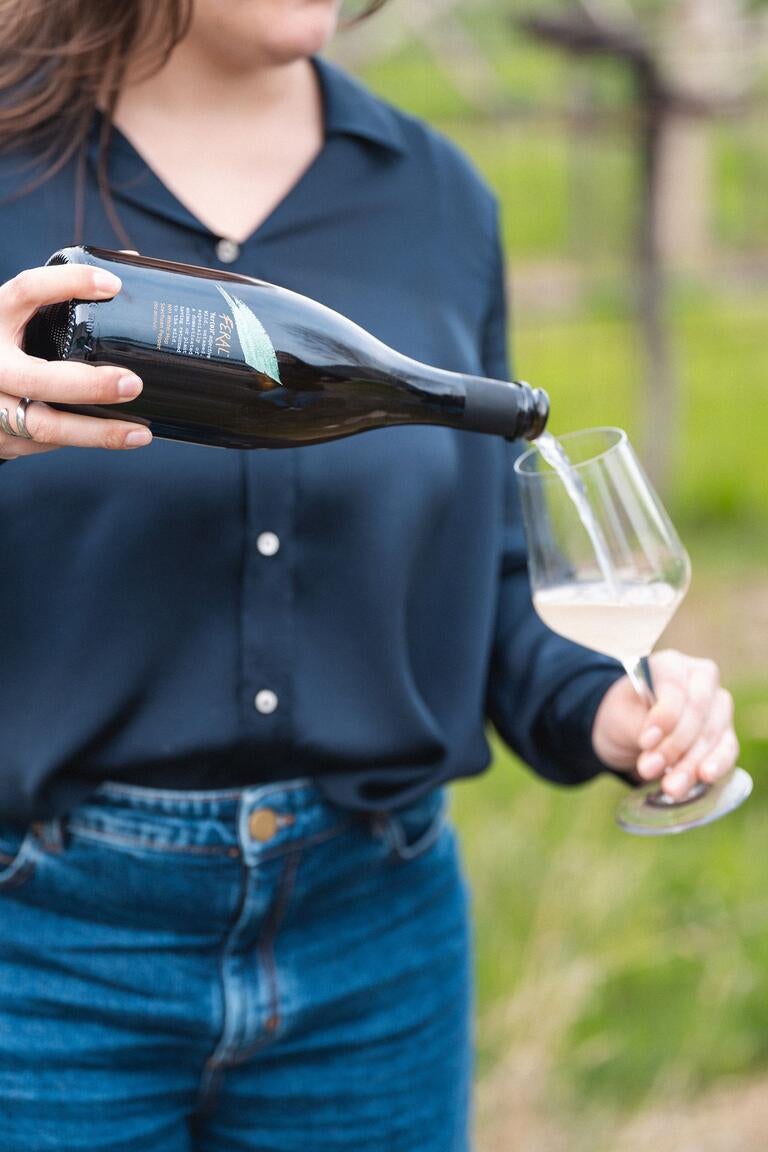
While the world of no and low alcohol drinks has evolved immeasurably in recent years, wine remains the final frontier of booze-free drinking. Despite some very serviceable alcohol-free sparkling wines on the market, we can count on one hand the number of still de-alcoholised wines we’ve enjoyed. Traditional ‘zero’ wines are often abominable. True innovators in the space have switched course to focus on creating wine alternatives or ‘proxies’ as they’ve become known, often made with combinations of humble ingredients, herbs and spices, sometimes fermented, to create complex drinks that pair perfectly with food at home or at the world’s best restaurants. Expect to see more brands like the UK’s Baek, Italy’s Feral Drinks (pictured) and Australia’s Non on restaurant drinks menus and supermarket shelves this year.
The New York-ification of the UK food scene rolls on
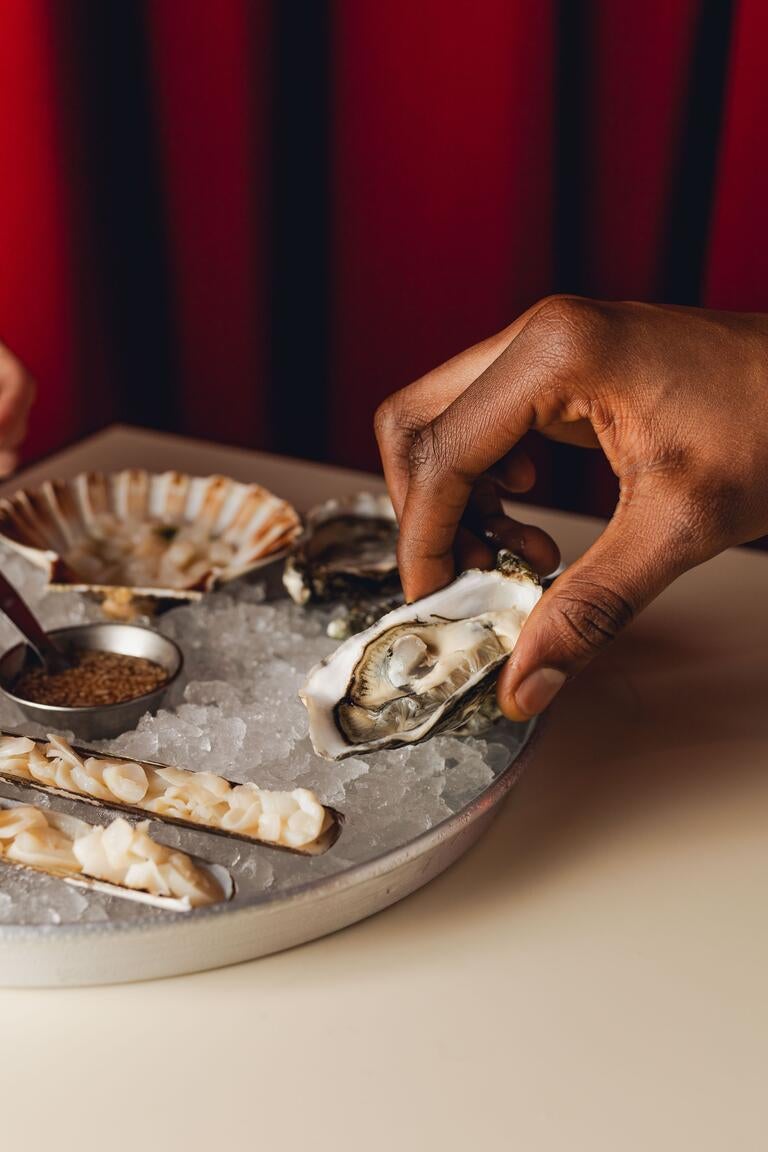
London’s food scene has had a big ol’ New York crush for some time now, with many of the biggest and buzziest openings of the past couple of years (The Dover, One Club Row, slice shop after slice shop) mimicking the glamour and decadence of dining in The Big Apple. But it’s not just the capital that is swooning. We’ve seen the likes of cocktail and seafood-focused Bar Shrimp (pictured) bring a Manhattan vibe to central Manchester, and Sear’s Pizza slinging slices in Glasgow and Edinburgh with lots of talk of “pie” (try saying that without affecting a strong New York accent). Expect more. Perhaps chef Stuart Ralston should consider himself an innovator: his New York-inspired wine and small plates restaurant, Noto, in Edinburgh, has been open since 2019.
Photo by Tajda Ferko
Fibre is the new protein
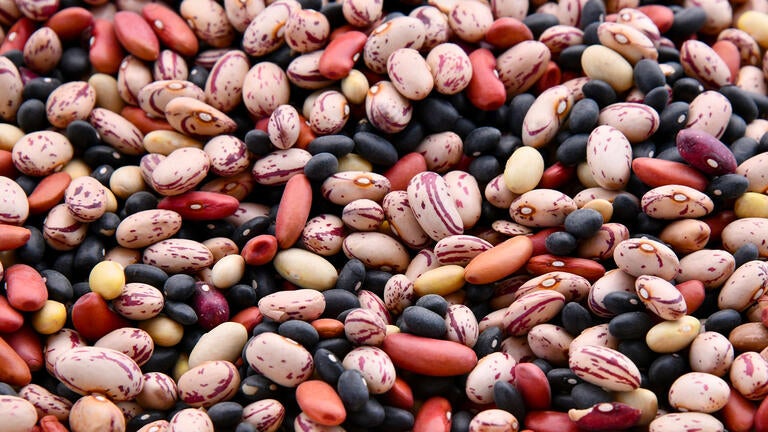
Protein has been the biggest buzzword in health and wellness recently. Am I getting enough, what kind and when? These are the worries many of us have when figuring out what to put into our bodies. Brands have taken notice: peruse supermarket shelves and you’ll be amazed at how many products are touted for their protein content, laughably so in some cases, with actual chocolate bars being touted as protein-rich, nutritional dynamite. Well, move over protein, because fibre is going to be the macro we’re all fretting about this year. Not without reason: recent research suggests just 4% of Brits are getting enough daily fibre, and predictably, many of us need to vary fibre-rich food consumption beyond sugar-packed products such as baked beans. So, expect everything from juices, to dips, to pick ‘n’ mix (you never know) to be touted as fibre-rich superfoods this year. We’re all for eating more beans, pulses and legumes, and if you are too, you should check out these recipes.
Photo by Shelley Pauls on Unsplash
The death of small plates has been greatly exaggerated
Not long ago, we wrote about the meteoric rise and stubborn decline of the small plate, possibly the most ubiquitous and maligned trend in restaurants of the last 10 to 15 years. With some of the best openings of the past 18 months or so riffing on it in some way, the likes of Camille (pictured) in London or Briar in Somerset, this way of eating, with a series of plates to share, may just be too ingrained in our eating culture now to ever truly disappear. Perhaps three courses, all to ourselves, feels just, well, a little limiting and simultaneously slightly obscene.
Photo by Harriet Langford
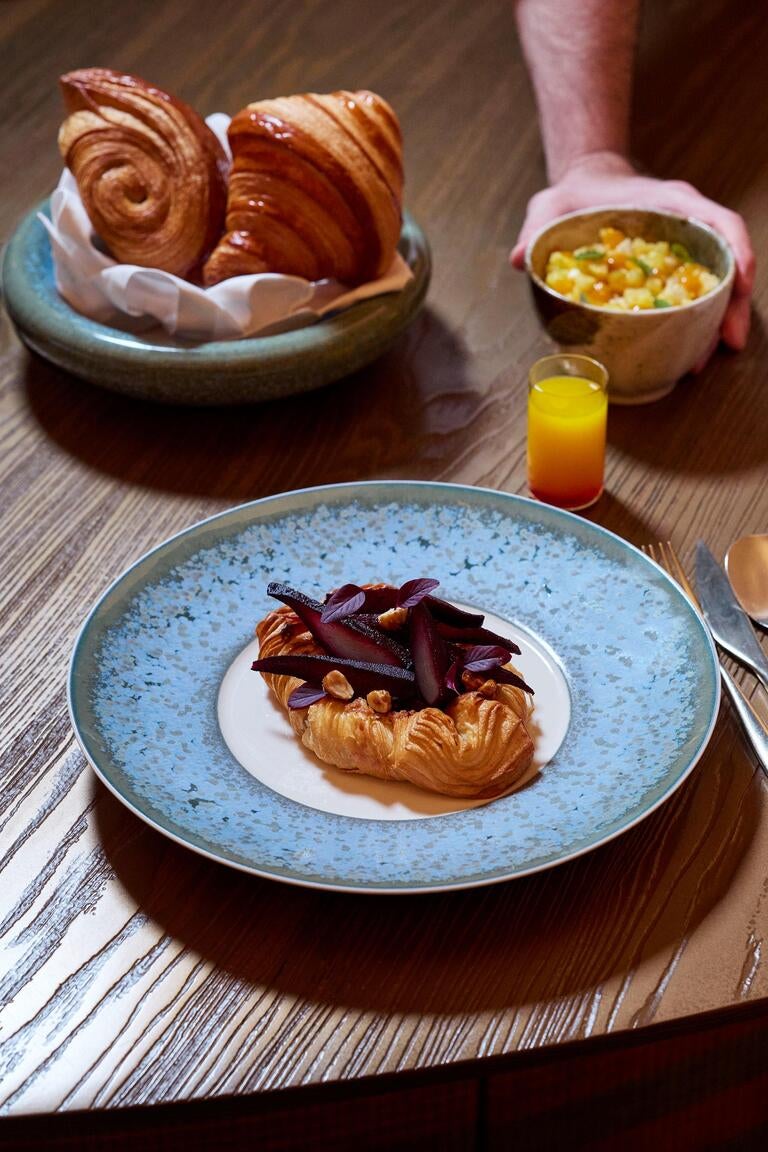
Dinner at breakfast time
All-day restaurants are increasingly latching on to the maxim of breakfast as the most important meal of the day, by going all in on their breakfast offerings, with multi-course tasting menus and enough fried stuff to render the rest of the day a total write-off. Take Yannick Alléno’s Pavyllon at Four Seasons Hotel London at Park Lane (pictured), which has just launched a “Michelin-starred breakfast tasting menu” with dishes such as eggs royale with caviar, tiramisu pancakes and French toast. Or the likes of Fallow and Hide nearby, both of which do a solid breakfast trade, including full English breakfasts and croissant royales at the former, and lobster Benedict and oysters with caviar at the latter. Perhaps, as the UK’s night-time economy suffers and people look to eat earlier and earlier, dinnertime has simply flipped. Maybe a breakfast tasting menu is simply a more coherent, curated and elegant take on a guilty pleasure: the hotel breakfast buffet.

About the author
Tom Jenkins is a London-based journalist and editor for Fine Dining Lovers. He is particularly interested in how the food community can come together to make great food more...
Read more





Get your free hot trends guide
Sign up for our monthly round-up of foodie inspiration and unlock our exclusive guide to what's hot in food and drink this year.
Get your free plating guide
Sign up for our monthly round-up of foodie inspiration and receive our exclusive plating guide free.
Discover your next fav spot
Sign up for our monthly round-up of foodie inspiration and receive our exclusive restaurant guide free.