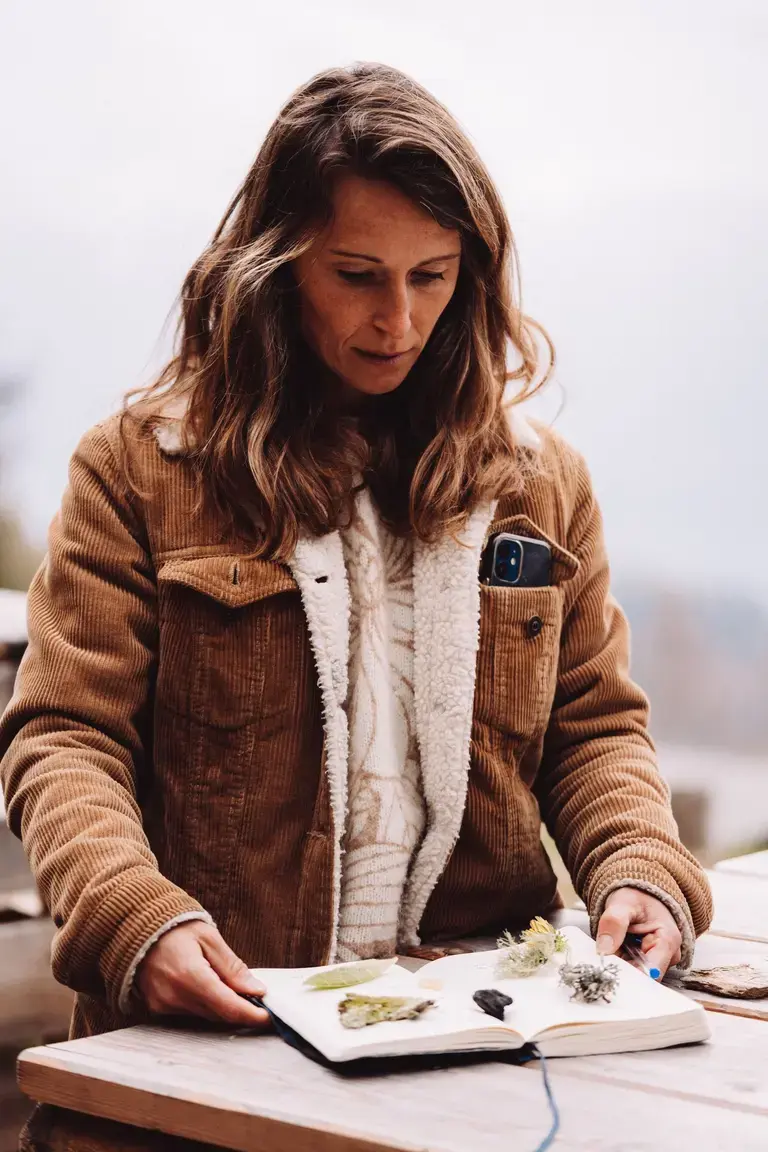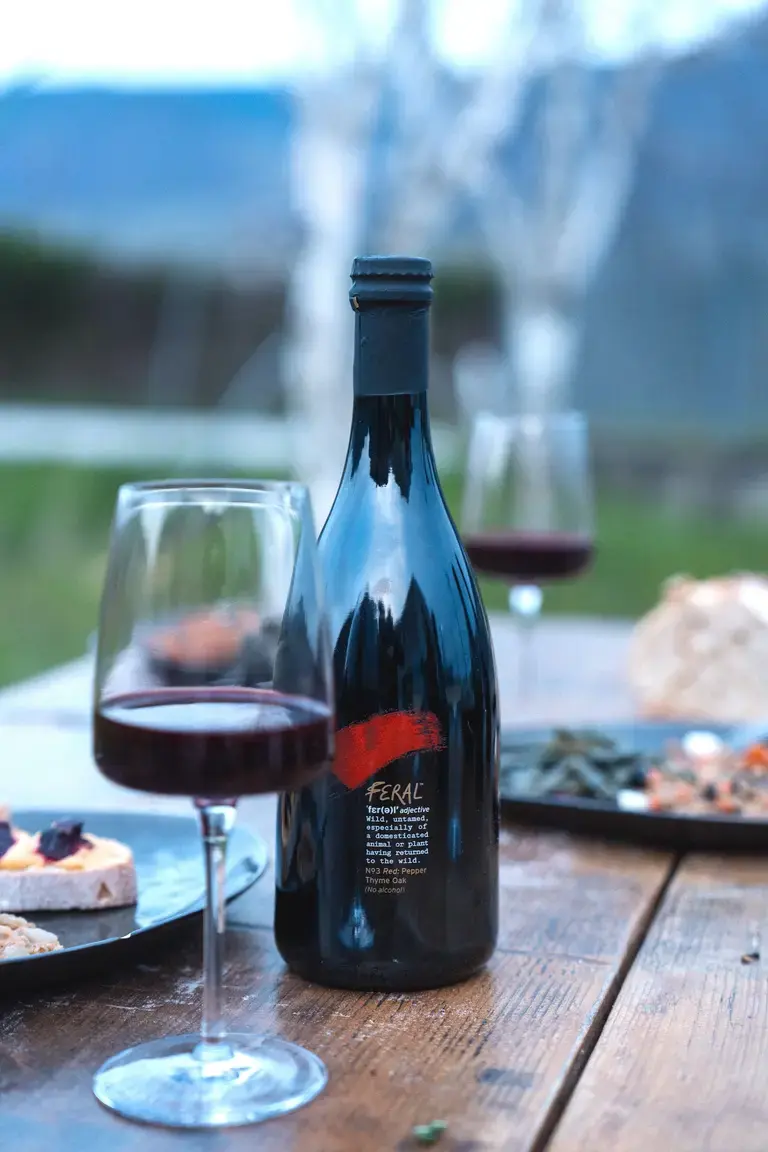
When Maddalena Zanoni left the corporate food world to start her own business in Trentino, Italy, making non-alcoholic drinks to pair with food, sommeliers were not interested in what she had to say. Chefs at the country’s best restaurants, on the other hand, saw that Zanoni could potentially help them solve a problem.
“I was writing to restaurants on Instagram and they were immediately responding… they wanted to have non-alcoholic drinks that would be gastronomic and at the level of their food,” she says.
Zanoni has always loved food and wine; she even studied to be a sommelier, but she says, as a “very tiny person,” she could “never really hold a lot of alcohol.” With many alcohol-free wines being unutterably bad, she wanted to create a wine alternative or a ‘proxy’ as they’ve become known, that stood up on its own and that would pair perfectly with food.
“I thought that the market was getting ready for something that wouldn't be another alcohol-free gin or beer, but rather something that would be food friendly and explorative,” she says.
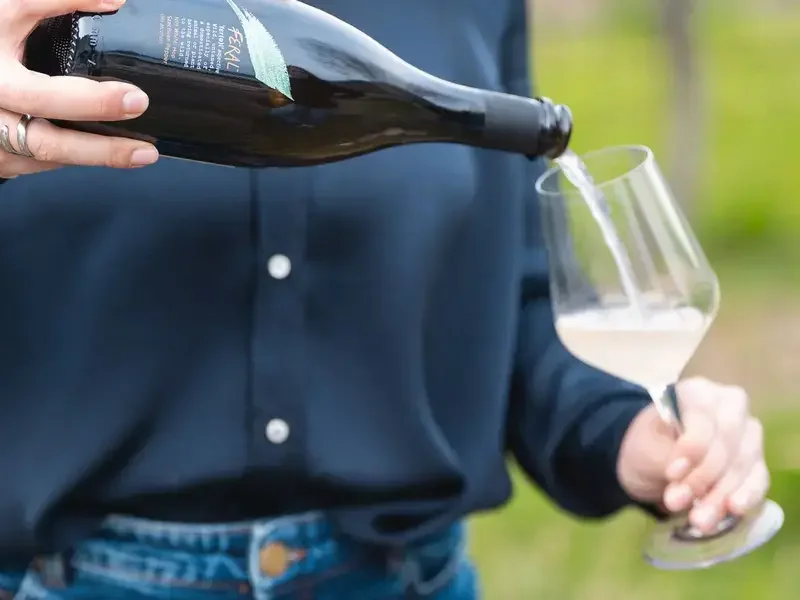
Now, five years on, Zanoni’s brand, Feral Drinks, is producing 150,000 bottles a year with a plan to double that in 2026. They’ve just launched in the UK after proving a hit in the Benelux countries, the Nordics, and even Italy. “The last 12-18 months, it's a huge change… sommeliers are actually calling us,” she says.
More than half of Feral's team of 10 "explorative gastro-lovers" have a scientific background – in microbiology or food science, for example. This is important, says Zanoni, because the focus is always on the products and “it's really difficult to have a product [like this] that is repeatable, that is actually stable,” she says.
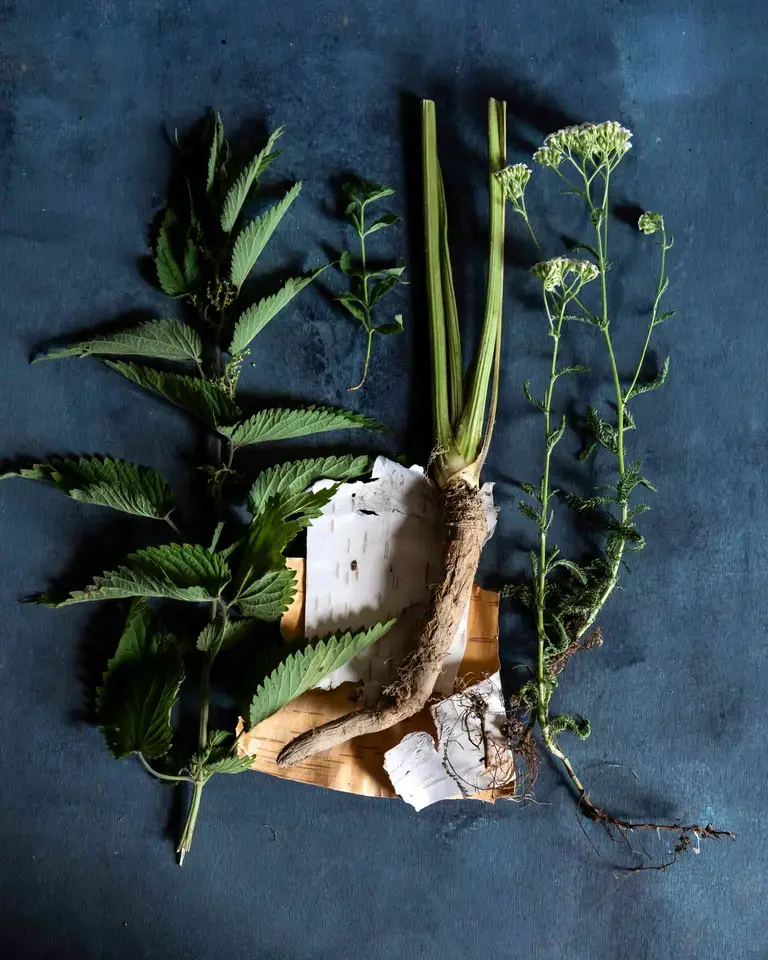
Those products so far include four still drinks and a pet nat. The still drinks are made using lacto-fermentation, where lactic acid bacteria break down the sugars without creating C02 or alcohol. The sparkling pet nat is fermented using yeast, so a small amount of alcohol is produced (0.3-0.4%), but not enough for it to be considered alcoholic. Ingredients are largely organic and sourced from local producers.