Caribbean food through a fine dining lens
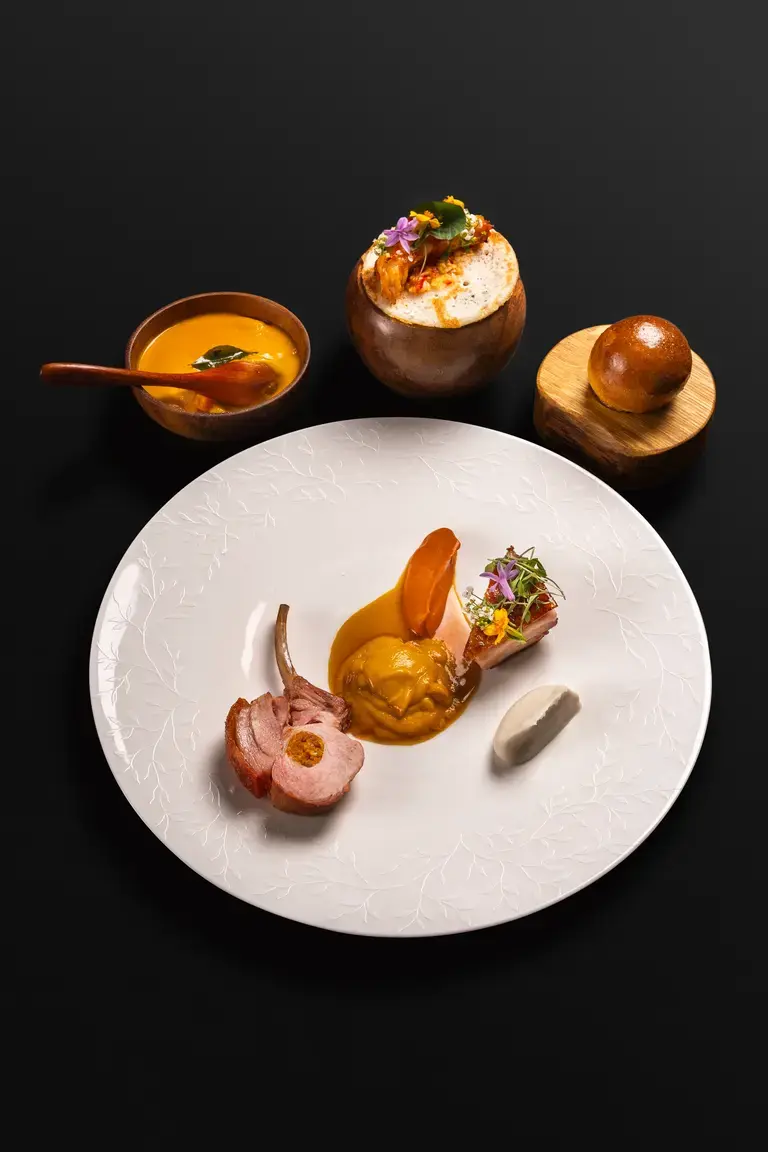
Caribbean food could be about to branch out. Chef Daijon Ford, from Half Cut Market in North London, is challenging how the cuisine is viewed. "Unfortunately, in a lot of places, it is stripped back to just takeaway culture," he explained, overlooking how restaurants can celebrate the cuisine's flavours, style of cooking over fire and atmosphere. He created a poussin breast dish with green seasoning (a key Caribbean sauce), a sour mango dressing and poussin patties with fever grass tea on the side. For juror Nicholson, the patty's excellent pastry really stood out, something she hoped to see more of on menus in the future.
Ford's dish, My Takeaways, is a play on words: reframing Caribbean cuisine as more than just takeaway food and what he learned from his mother, whose stories of her father cooking in Jamaica inspired it. "I want to bring that not just to London, but to the world, and show that we should be celebrated as more than just takeaway," he added. The message resonated with Roux, who said: “Daijon was very genuine and you could feel his passion, and you know he will make it happen."
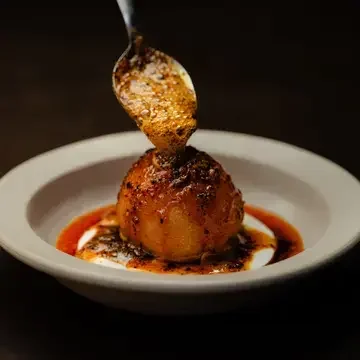
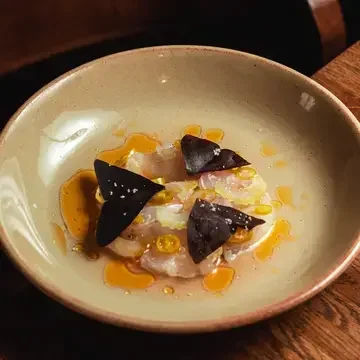
Kurtus Auty, from Bybrook in Wiltshire, worked in Barbados for two years and put those experiences and influences into his dish, Coast to Coast. He wanted to highlight Bajan food, as he noted it's seldom seen in restaurants currently. "It's inspired by my travels, my experiences and the techniques I learned along the way," he said of his dish. He created a Bajan fish cake, blackened seabass, a prawn chou farci with sweet potato puree and prawn head bouillabaisse on the side, finishing with a sea bass citrus ceviche.
Sensory is making a comeback
A great dish isn't solely about how good it tastes. Looking beyond the plate, young chefs are going retro to bring diners closer to the inspiration and stories of food through the senses, which seems to be making a comeback.
Auty's Coast to Coast came with specially made crockery, featuring a sandy texture on the rim, which he encouraged the jurors to rub as they ate the ceviche. "If you shut your eyes, you feel like you're on the beach," he explained.
Ford's dish, which included a sour mango salad dressed in mango juice, was served in bowls made from mango trees that had stopped bearing fruit. It was a nod to the Caribbean's reuse and limited-waste culture. "It's a true celebration of the mango," he said.
Jamie Angel, also of Gravetye Manor in Sussex, wanted to evoke the sense of smell and brought the woodland to the judging room. His mushroom tea filled the space with an earthy aroma as soon as the dish arrived, setting the scene before the judges could raise their forks. "The woodland flavours are concentrated into a warm mushroom tea, evoking the aroma of the forest after rain," he explained.
Wild protein taking centre stage
In line with restaurants and diners moving away from vegan menus and alternative meats and looking to more sustainable proteins that aren't intensively farmed, game and wild meats featured heavily in the competition, and the contestants were adamant about using animals in their entirety.
Sude Hancher from Cornus restaurant in London cooked pigeon with sour cherry and cumin. She chose "really special" chestnut-fed pigeon from France, as their diet creates rich, tender fat. For this reason, she cooked the meat as slowly as possible and aimed to use as much of the bird, including the bones, neck and offal.
Angel drew on his Italian grandmother's influence for a dish using wild venison, which filled delicate pasta, accompanied by woodland-foraged flavours like juniper and girolle mushrooms. "The whole idea of the dish is it celebrates the entire ecosystem of the venison," he explained.
Shimwell’s Wild Boar, Apples and Beer took a similarly considered approach. Using wild boar sourced from a Hereford butcher he has loved since childhood, he barbecued the loin, adding a subtle smokiness from old oak cider barrels. He also cured the meat in koji using Jester, a modern British hop.